 5-minute briefs
Earnings Guidance Reading Guide: Consensus, Surprises and Stock Price Impact
#earnings#guidance#earnings surprise
The 3 things that actually matter
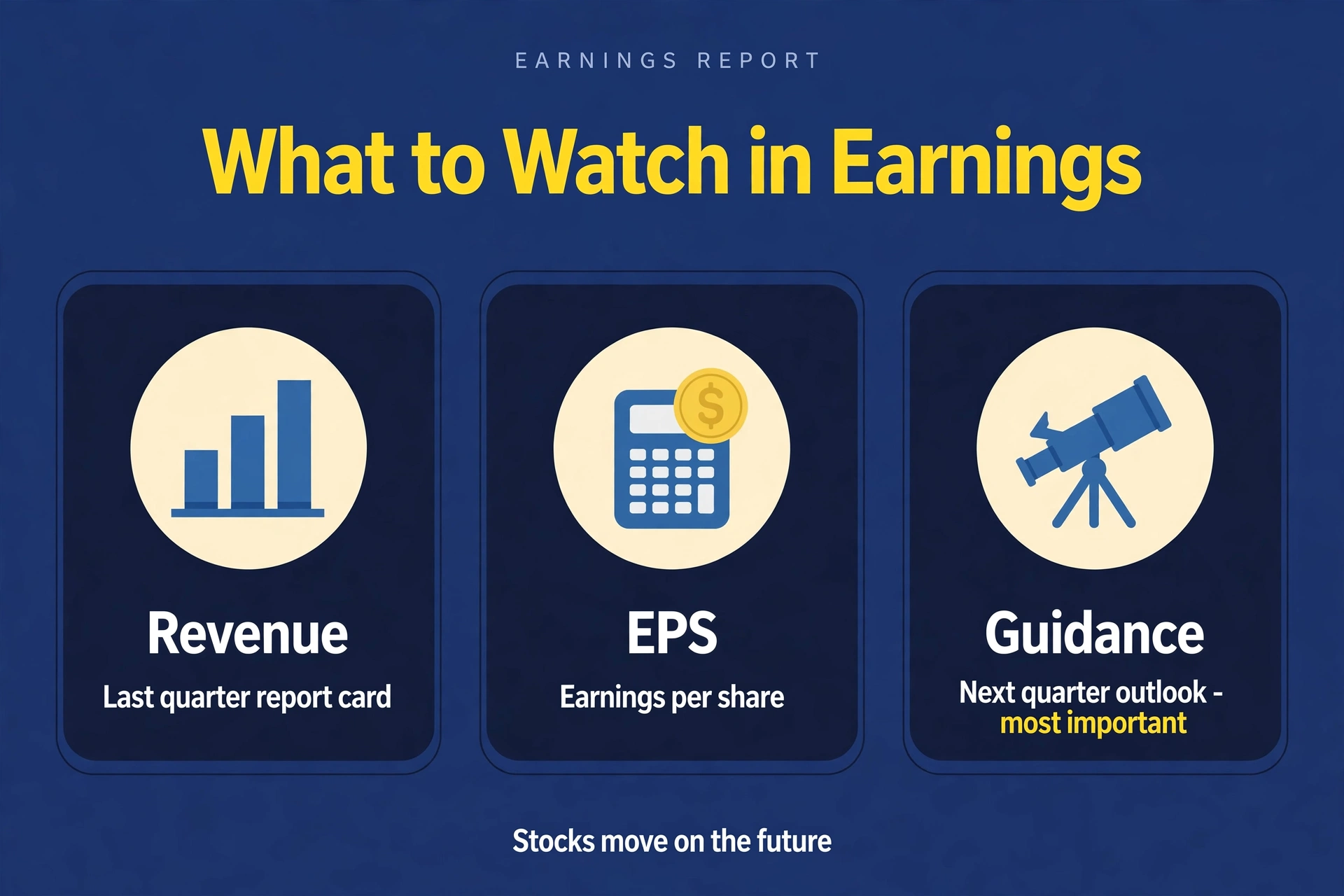
Earnings releases are long, but investors need to watch three things: revenue, earnings per share (EPS), and guidance.
Revenue and EPS are the report card for the quarter that already ended. Guidance, on the other hand, is the company’s own forecast for next quarter’s revenue and profit. Since stock prices move on future earnings, guidance carries the most weight of the three.
- EPS (earnings per share): net income divided by shares outstanding — how much the company earned per share.
- Consensus: the average of analysts' estimates. It shows the market's expectation level.
- Guidance: the company's own forecast for next quarter or the year — revenue, EPS, margins.
- Surprise: how far actual results beat or missed consensus. Also called "earnings surprise."
Consensus is the benchmark
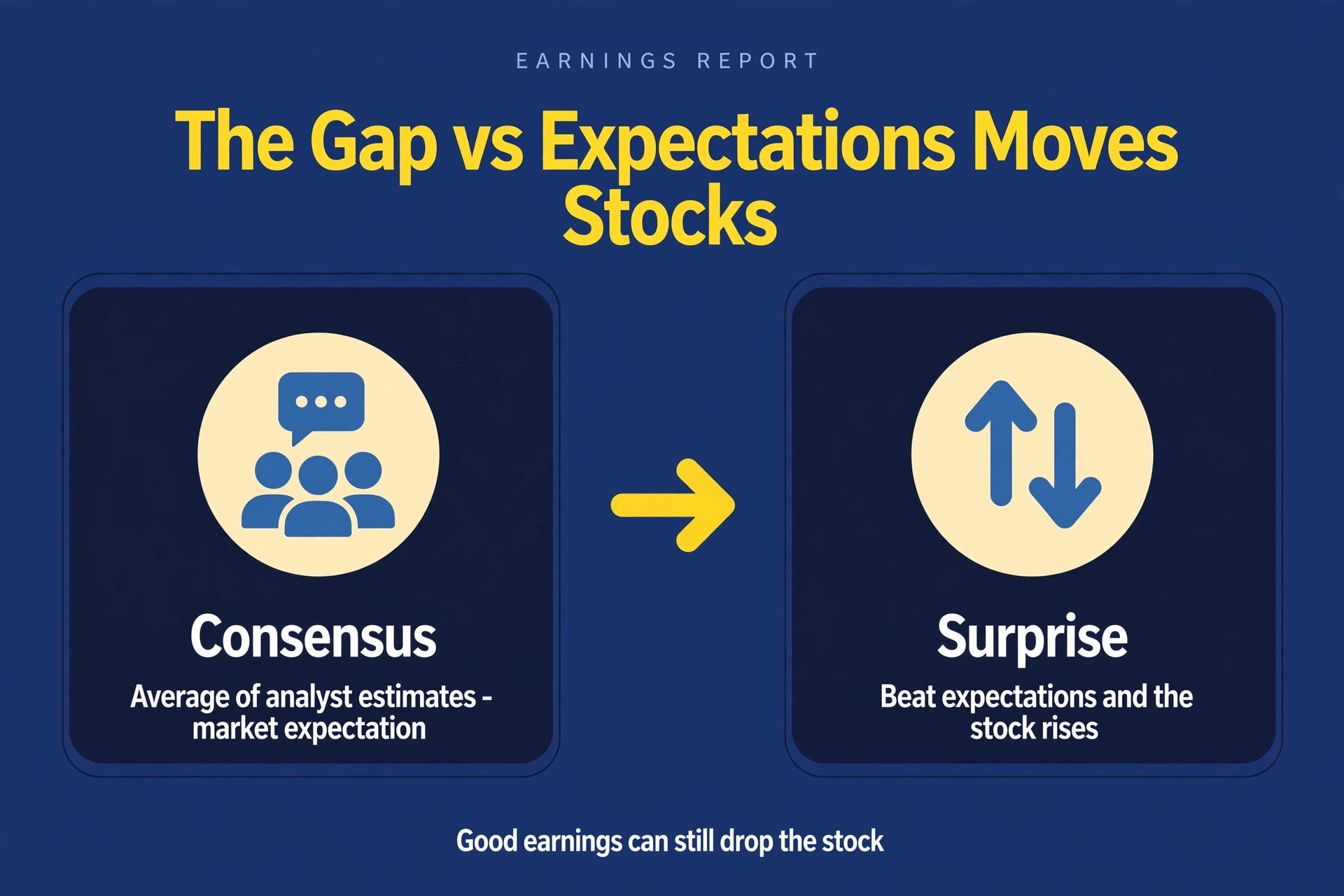
Stocks react to the gap versus expectations, not absolute numbers. Revenue up 10% can trigger selling if consensus expected 15% growth. Revenue down can lift the stock if the decline was smaller than feared.
That’s why “great earnings, falling stock” happens. Headlines say “record profit,” but the market had already priced in something better. When reading earnings, check the surprise rate versus consensus before the numbers themselves.
Guidance decides the stock price
The second reason stocks fall on beats is lowered guidance. Last quarter was strong, but if the company says “next quarter’s revenue will come in below expectations,” the market cuts future earnings estimates and the stock drops.
When reading guidance, check three things.
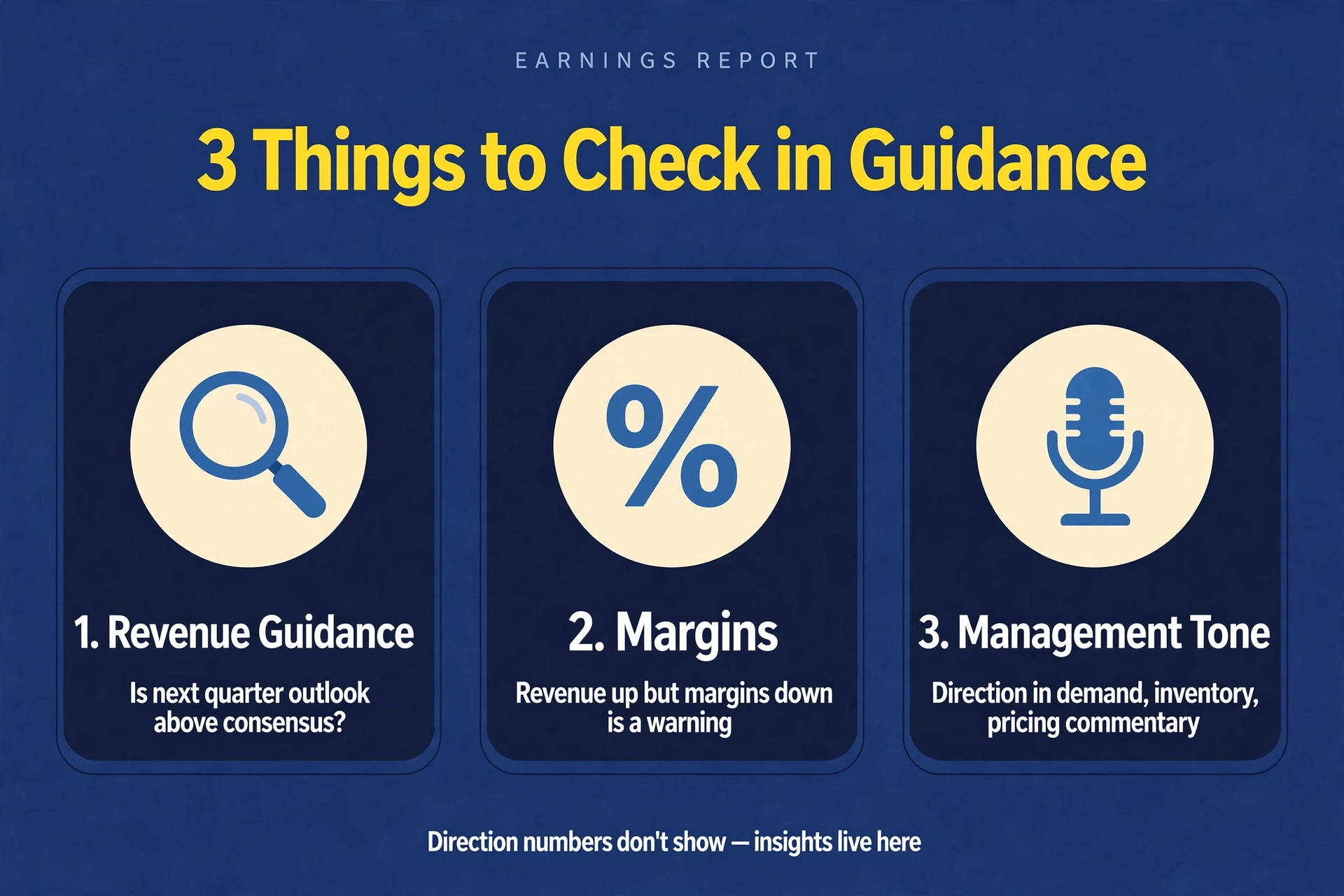
First, revenue guidance — is next quarter’s outlook above or below consensus? Second, margins — rising revenue with falling margins signals deteriorating profitability. Third, management tone — how executives describe demand, inventory, and pricing on the conference call. Direction that numbers don’t show lives here.
Earnings season checklist
Read earnings releases in this order:
- EPS surprise — above or below consensus?
- Revenue surprise — revenue before EPS; falling revenue can mean structural trouble
- Guidance vs consensus — is next quarter’s outlook above market expectations?
- Margin trend — watch out when margins shrink even as revenue grows
- Management commentary — tone shifts on demand, inventory, and pricing
One sentence to remember: stocks move on changes in future expectations, not the past. An earnings release isn’t a report card — it’s an event that rewrites next quarter’s expectations.
Watch the video

Sources & references
- KB Kookmin Bank (KB Think) — What Are Earnings Surprises and Earnings Shocks? How Stocks Move After Earnings — The bank's official explainer defining consensus, earnings surprise and guidance, and how share prices react to earnings releases
- Nasdaq — What Are Consensus Estimates and Why Are They Important? — Defines consensus as the average of analysts' earnings estimates and explains price reactions to beats and misses
- Nasdaq — What Is a Real Earnings Surprise? — Explains the definition of an earnings surprise and why stocks can fall even after a beat
- U.S. SEC Investor.gov — Price-Earnings (P/E) Ratio Glossary — The SEC investor-education glossary entry for the P/E ratio and EPS
Related articles
- Constellation Energy Stock Analysis: AI Power Demand and Q3 Earnings Surprise
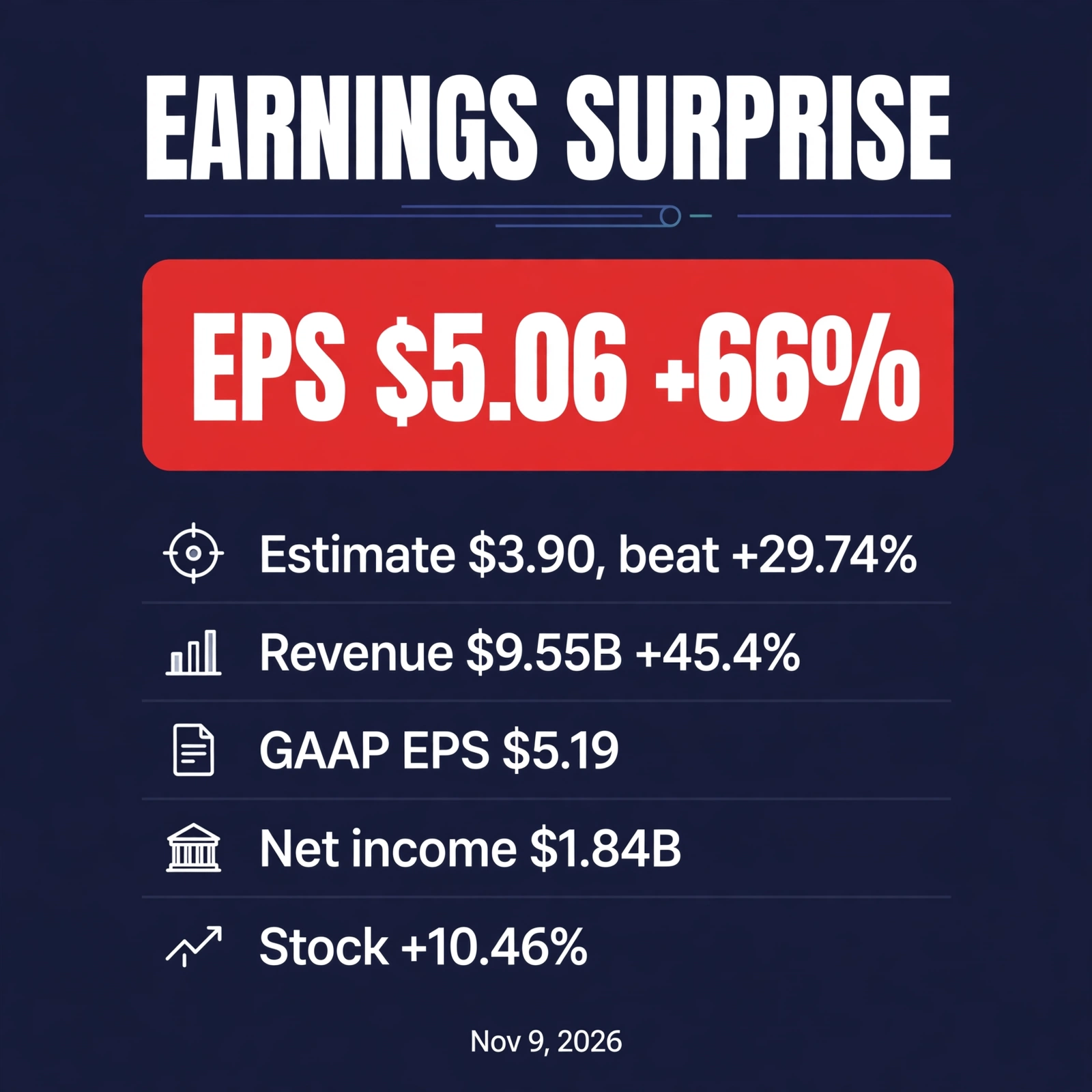
Constellation Energy jumped 10.46% after third-quarter adjusted EPS of $5.06 beat estimates by 30%. Twenty-year nuclear deals with Amazon and Google show what AI power demand really looks like — while long-term debt has swollen to $19 billion.
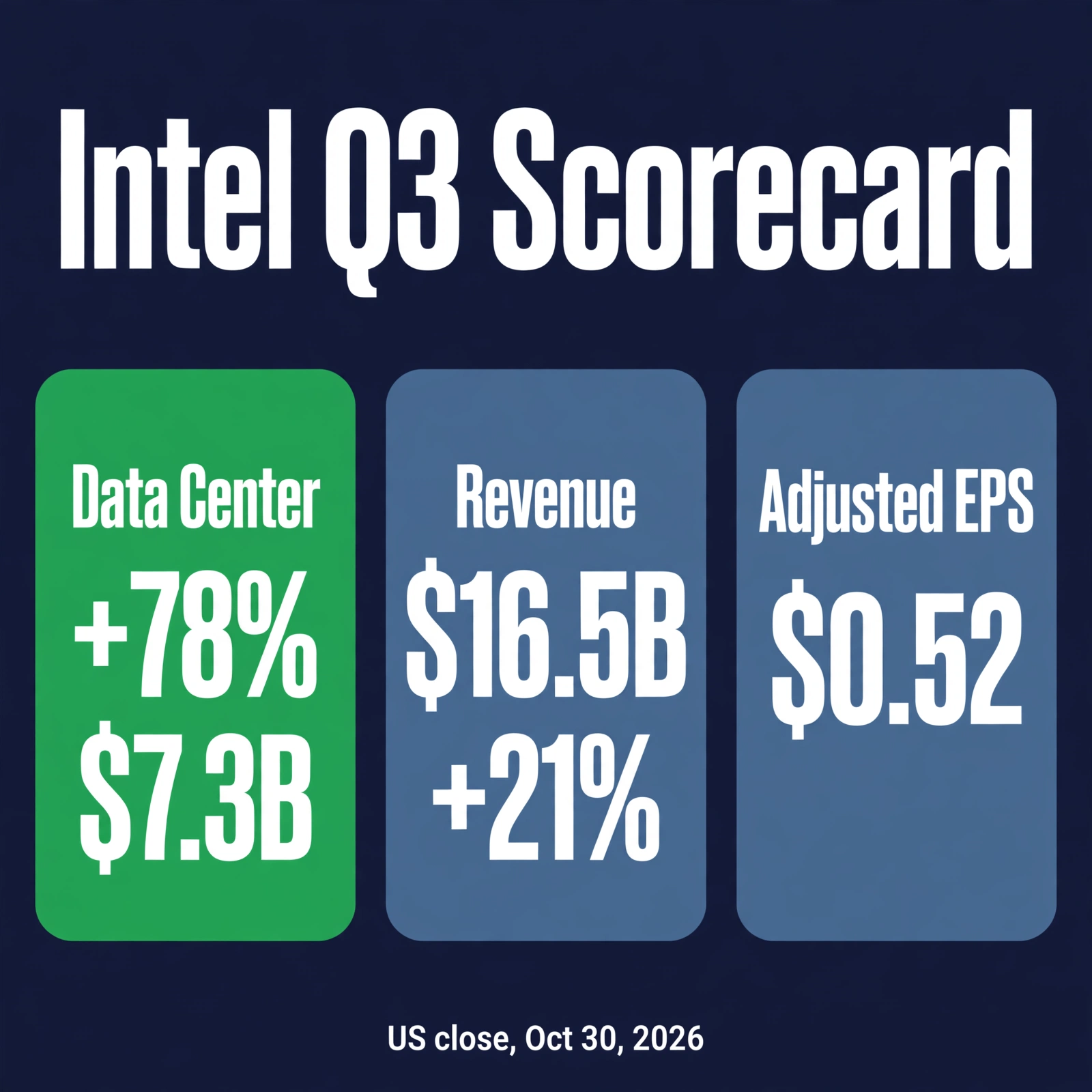
- Intel Earnings Analysis Q3 Beat Overshadowed by Weak Q4 Guidance Stock Plunges 28.58%
Intel's Q3 revenue of $16.5 billion (+21%) and adjusted EPS of $0.52 beat expectations, but Q4 revenue guidance of $15–$16 billion fell far short of the ≈$17.1 billion consensus, sending shares down 28.58%. Data center grew 78% while PC fell 5%, and an Israel fab shutdown added to the reset.
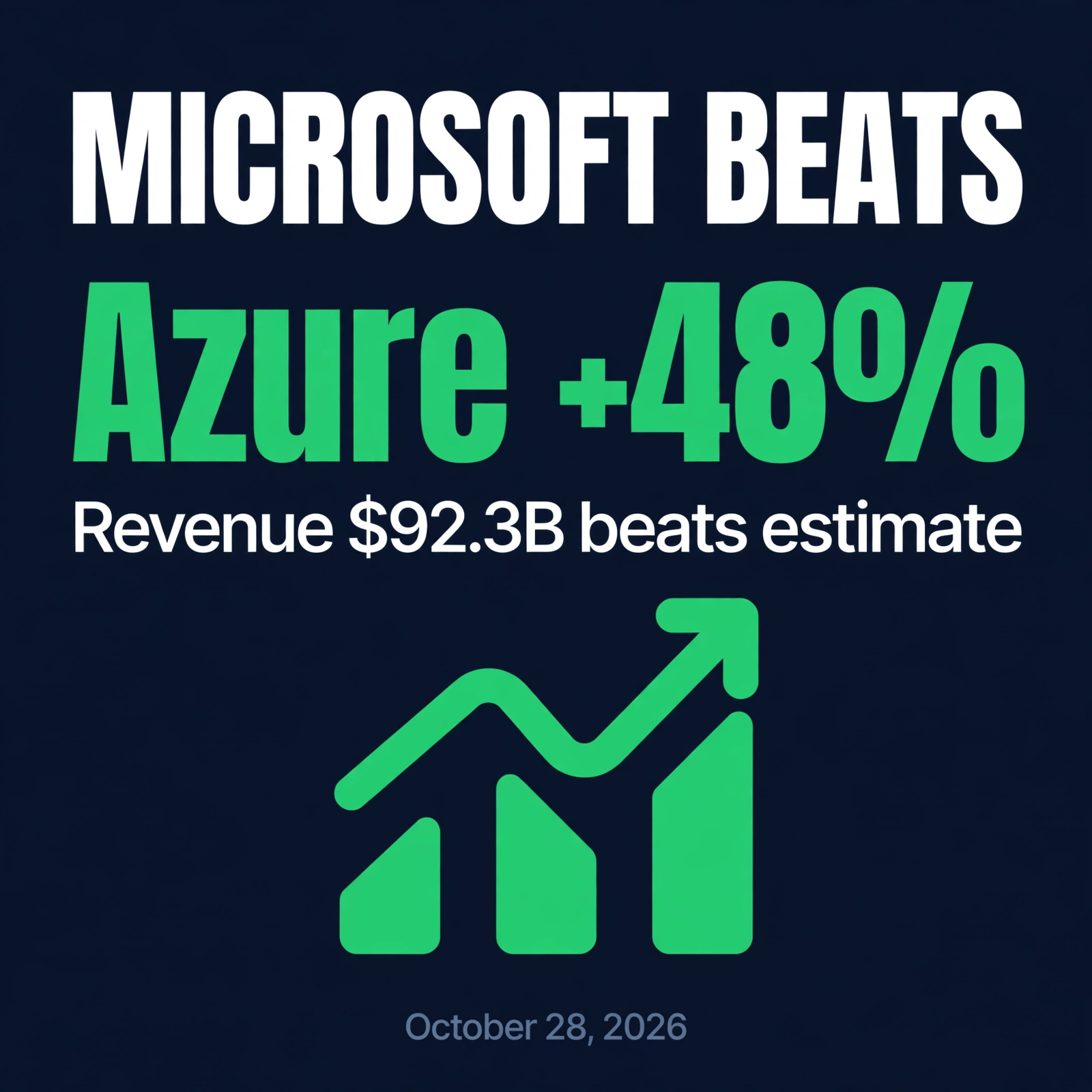
- Microsoft Alphabet Earnings Analysis Azure 48% Growth vs Alphabet Profit Drop AI Spending Contrast
After the close, two big-tech reports split in opposite directions. Microsoft beat with $92.3 billion revenue and 48% Azure growth, while Alphabet's $8.7 billion equity securities loss cut EPS to $2.12 and free cash flow turned negative $9.1 billion.
5minbrief on YouTube
The briefs also come as videos. Get the daily market wrap on YouTube.
Subscribe on YouTube