 5-minute briefs
Korean Battery Solar Policy Winners Analysis Samsung SDI Hanwha Surge Blue Wave
The surge scoreboard — chips fell, batteries and solar soared
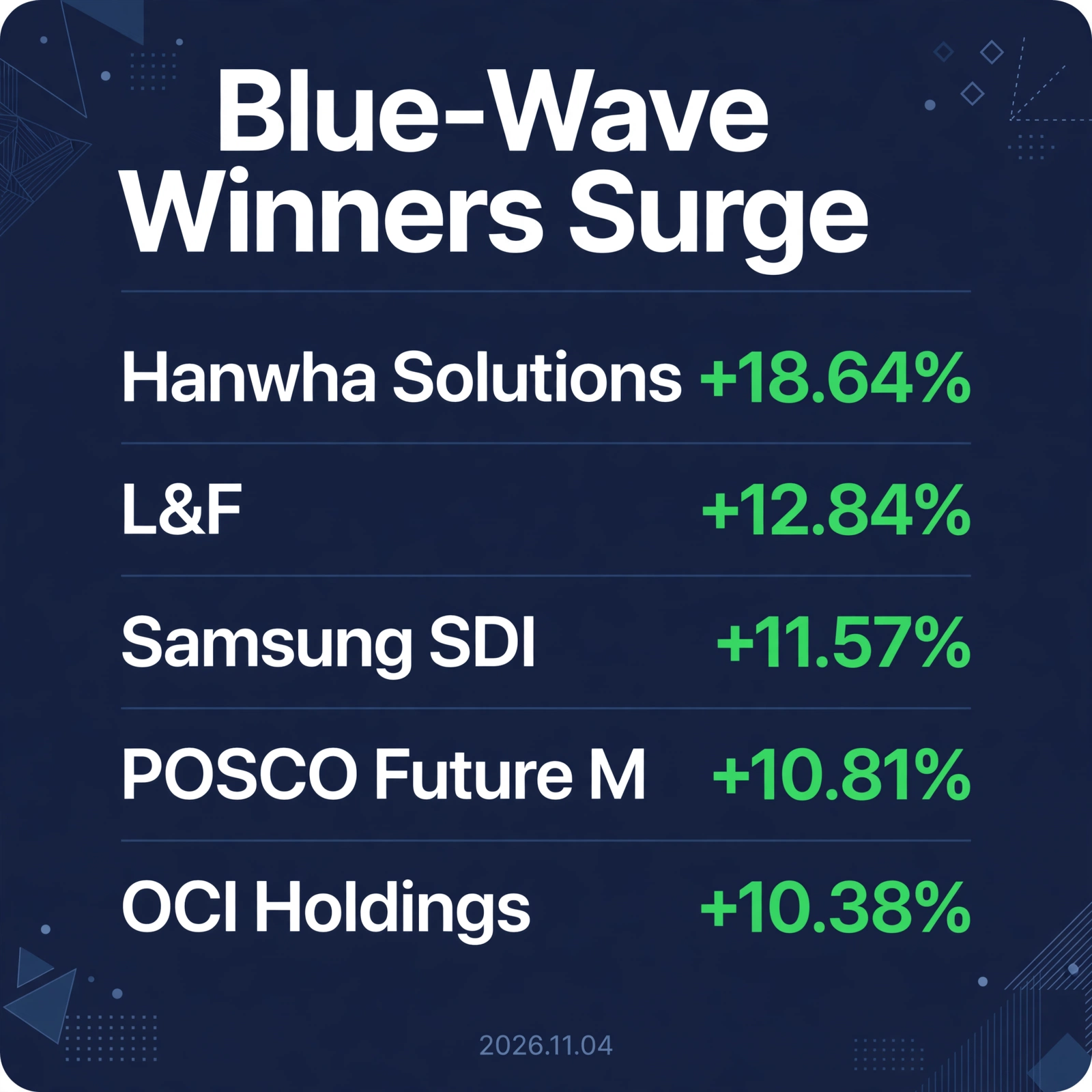
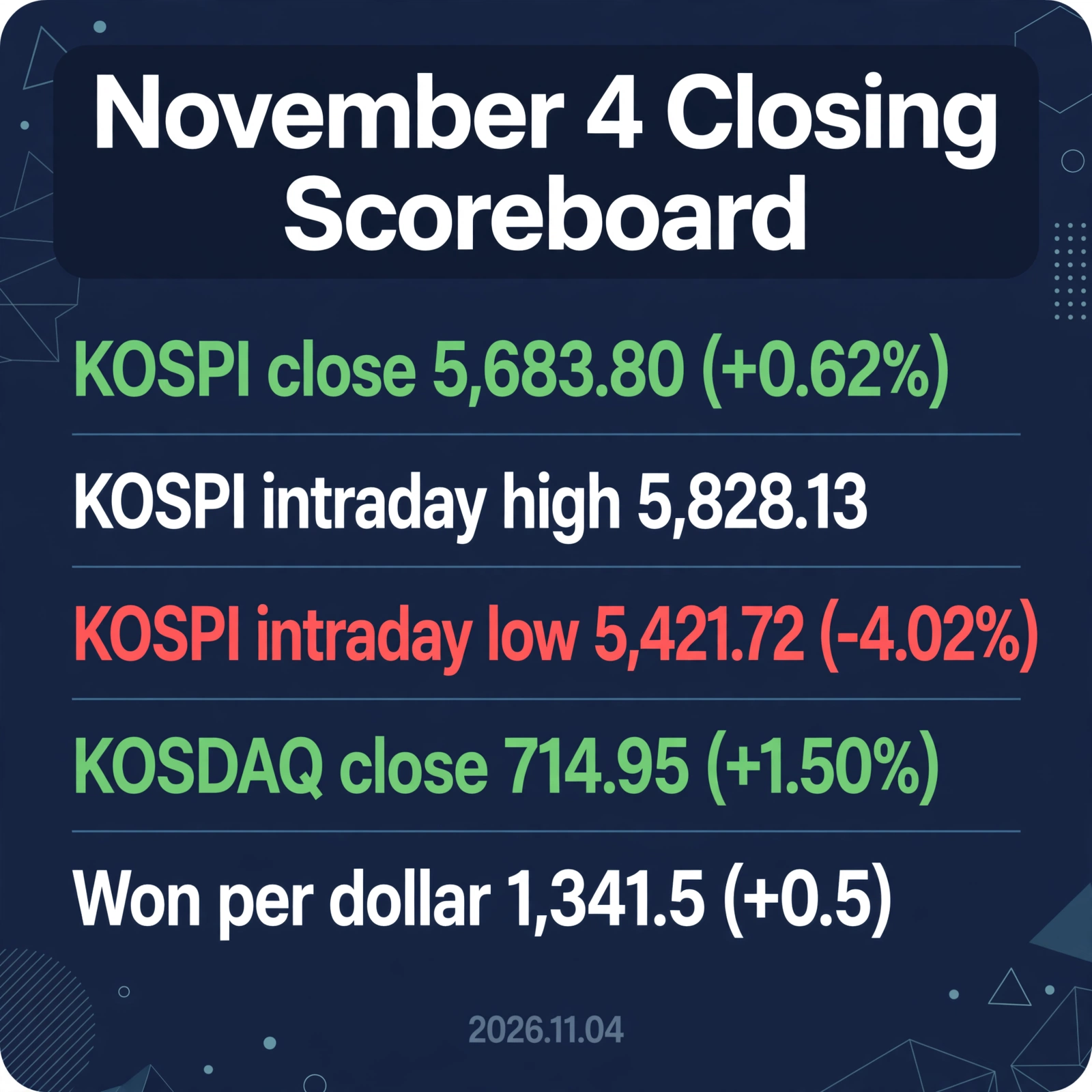
The KOSPI rose just 0.62%, but the sector split was extreme. Samsung SDI (+11.57%), POSCO Future M (+10.81%), L&F (+12.84%), and LG Energy Solution (+5.03%) surged among battery names, and Hanwha Solutions (+18.64%) and OCI Holdings (+10.38%) surged among solar names. On the same day, Samsung Electronics fell 0.68% and SK Hynix fell 0.14%. One election headline split into two opposite signals: a burden for chips through data-center regulation fear, and a boost for batteries and solar through clean-energy policy hope. An index investor owned both sides of that split and got almost nothing; a sector investor got either a windfall or a headache.
| Stock | Move | What the market priced in |
|---|---|---|
| Hanwha Solutions | +18.64% | Solar policy support expectation |
| L&F | +12.84% | Battery cathode demand expectation |
| Samsung SDI | +11.57% | Battery leader, policy beneficiary |
| POSCO Future M | +10.81% | Battery materials, sympathy rally |
| OCI Holdings | +10.38% | Solar materials, sympathy rally |
| LG Energy Solution | +5.03% | Battery leader, more moderate rise |
Why they were read as winners — three expectation channels
First, clean-energy policy expectations: a Democratic Congress could push to restore solar tax credits and expand clean-energy support. Second, electric-vehicle and storage demand expectations: clean-energy policy connects to EV adoption and energy-storage demand, where Samsung SDI and LG Energy Solution sit. Third, a relative shelter effect: on a day when chips fell on regulation fear, money moved toward names that looked untouched by that fear. Batteries and solar played shelter for a day.
The distinction matters: no bill passed, no subsidy was confirmed, and no new order was announced on November 4. What rose was the probability traders assigned to future policy. Probability is fast. Legislation is slow. That speed gap is this article’s subject.
The gap between expectation and law — veto, detail, and time
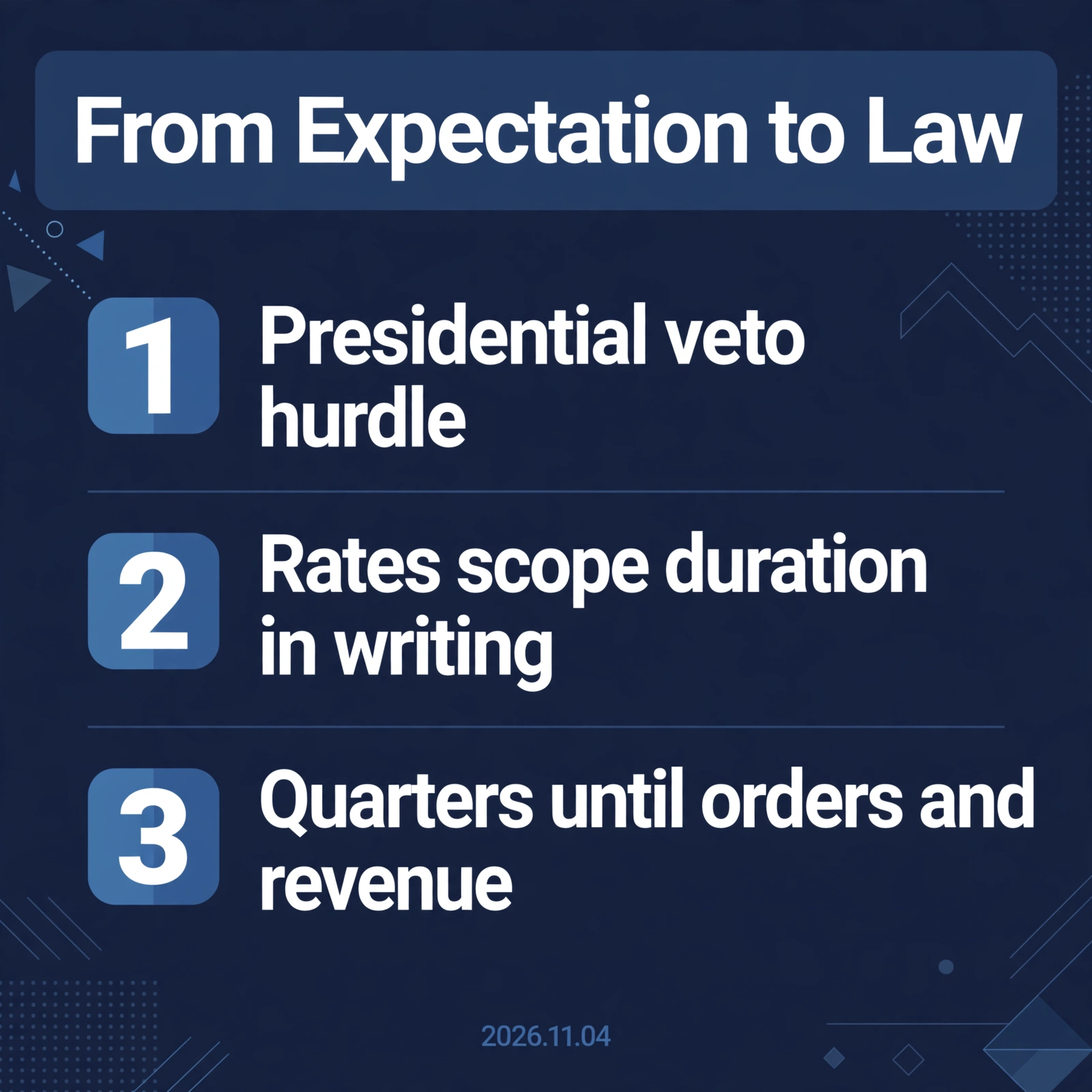
Three hurdles stand between November 4’s rally and real earnings. First, the presidential veto: even with Congress, a president can veto bills, and overriding a veto needs two-thirds of Congress. Analysts cited by The Korea Times make exactly this point — sweeping change remains unlikely. Second, detail: tax-credit restoration only reaches earnings when rates, eligible products, and time periods are written into law. Third, time: even a passed bill needs quarters to become orders and revenue. The market on November 4 priced in the direction of travel, not the arrival.
For a foreign investor, the governance lens cuts both ways here. Korean clean-energy stocks are unusually exposed to US politics — a feature, not a bug, of their business model — but that exposure means their rallies can reverse on Washington headlines just as fast as they start. EWY holders should read a battery surge after a US election as a policy-expectation trade, not as confirmation that Korean battery fundamentals improved overnight.
The reversal scenario — what unwinds first if expectations fade
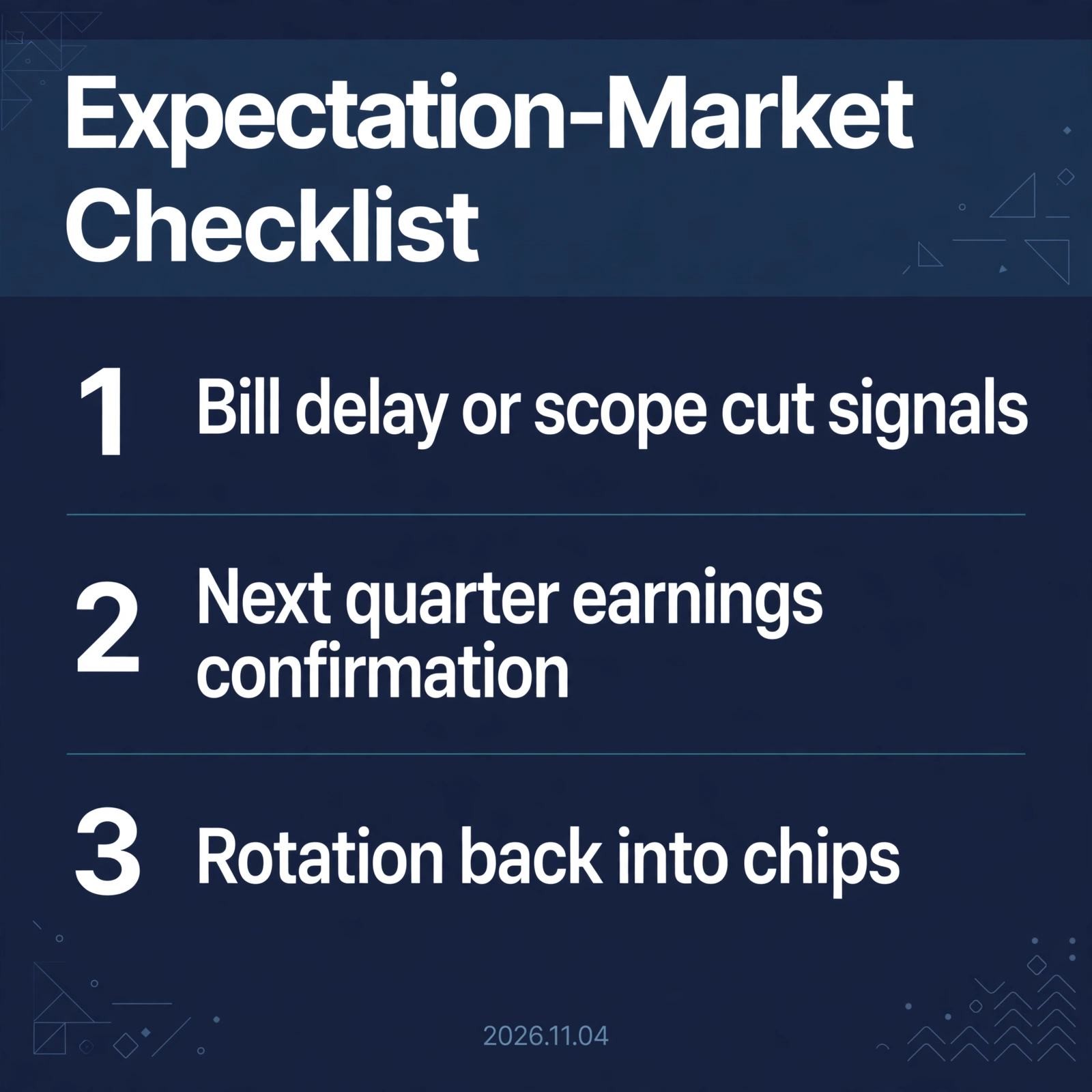
Reversals in expectation rallies usually arrive in three stages. First, delay signals: a bill stalls or its scope shrinks, and profit-taking hits the biggest gainers first — Hanwha Solutions after an 18.64% day is the obvious candidate. Second, failed earnings confirmation: if the next quarter shows no policy-driven orders, the expectation gets doubted. Third, rotation back into chips: if data-center regulation fear proves excessive, money rotates back to semiconductors and the battery-solar relative strength fades.
The disciplined response is twofold. First, do not read the surge as proof of policy benefit. The surge measures the size of the expectation, not the size of the benefit. Second, fix a checklist in bill language. Watch for tax-credit restoration terms, eligible scope and duration, and actual order announcements — and do not treat the rally as locked-in gains until that checklist starts filling in. In expectation markets, the most expensive mistake is confusing an expectation for a result.
Not investment advice. Figures are Korea Exchange, Yonhap, The Korea Times, and Finimize reports confirmed November 4, 2026.
Watch the video

Sources & references
- Yonhap News Agency — (LEAD) Seoul shares close higher on early US midterm election outcome — Democratic sweep prospect, tighter AI data-center regulation concern and renewable energy and battery support prospect
- The Korea Times — Seoul stocks face fresh uncertainty as Democrats retake US Congress — Veto power limits sweeping policy change, medium-term drivers remain AI returns and semiconductor demand
- Finimize — Korea's Battery Stocks Carried The KOSPI After US Election Jitters — Battery makers rallied while Samsung and SK Hynix slipped, dispersion day framing
Related articles
- Korean Battery Stocks Analysis Blue Wave Rally Reversal Samsung SDI 23.9% Drop
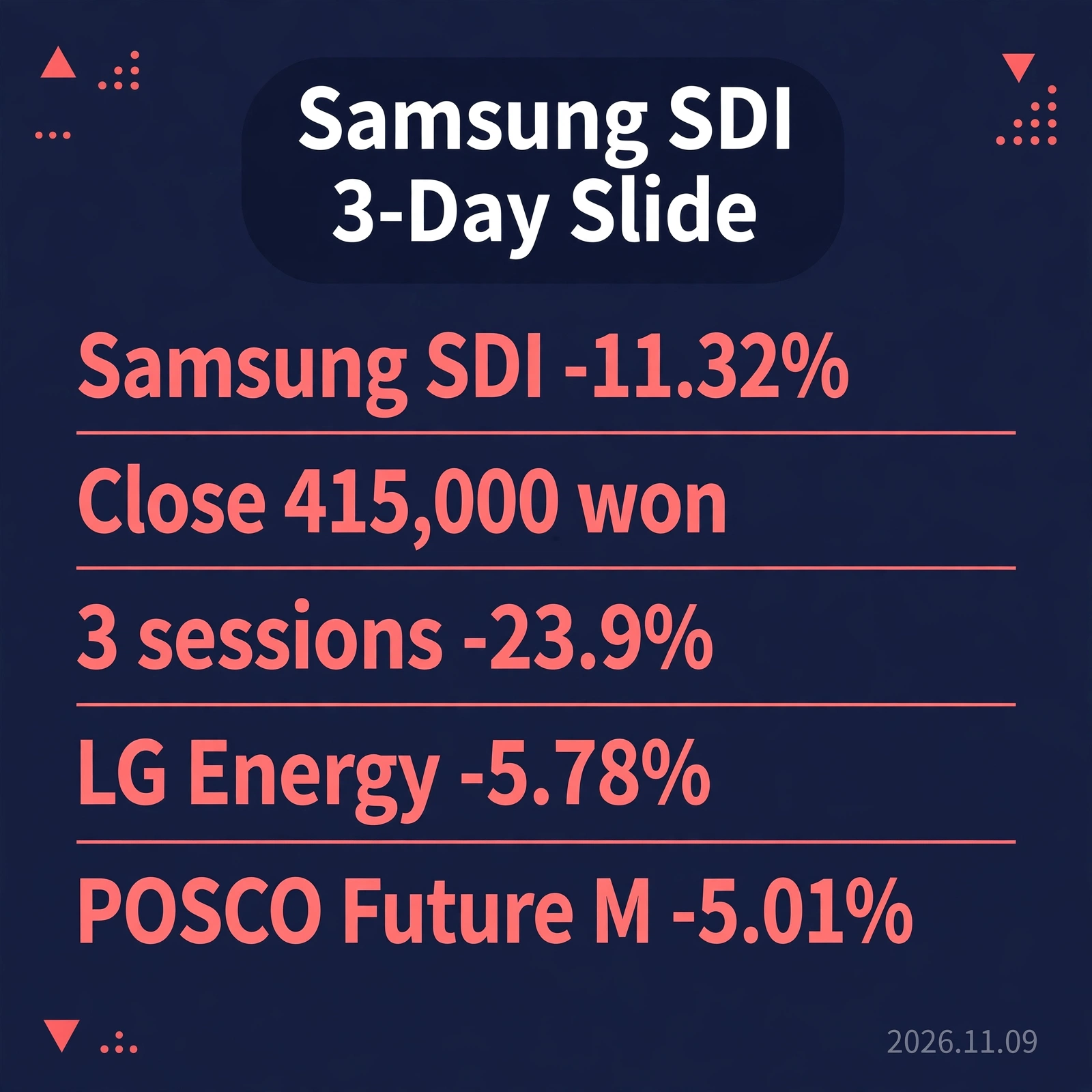
Korean battery stocks gave back their blue-wave rally in three sessions. Samsung SDI fell 23.9% from 545,000 won to 415,000 won, with LG Energy Solution, POSCO Future M and LG Chem down about 5% each. The market read the same election two ways.
- KOSPI Failed Rebound Analysis 5,018 Close Foreign Selling Streak and Nvidia Probe
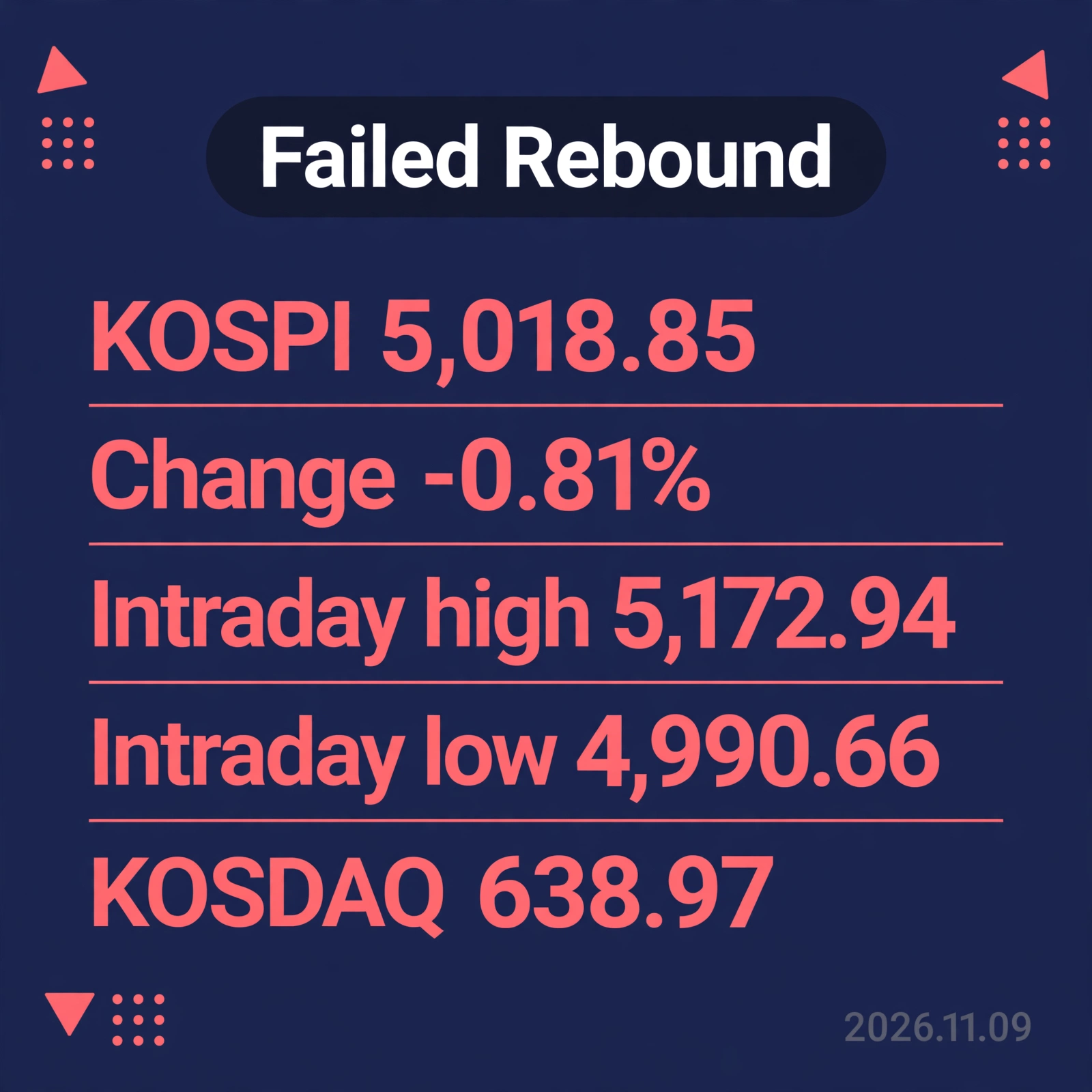
November 9 in Seoul: the KOSPI rallied 2.24% intraday to 5,172.94 but closed at 5,018.85 (−0.81%). Foreigners sold a seventh straight session, an Nvidia board probe capped the rally, and battery stocks gave back the blue-wave rally.
- KOSPI US Midterm Volatility Analysis 406-Point Swing Foreign Selling Rebound
November 4 Korea market brief for foreign investors: the KOSPI swung 406.41 points intraday on US midterm vote counting, then closed up 0.62% at 5,683.80. Foreigners sold a net 2.5045 trillion won while retail and institutions bought 2.1602 trillion won, and battery and solar stocks surged on Democratic policy expectations.
5minbrief on YouTube
The briefs also come as videos. Get the daily market wrap on YouTube.
Subscribe on YouTube