 5-minute briefs
Korean Battery Stocks Analysis Blue Wave Rally Reversal Samsung SDI 23.9% Drop
#Korean battery stocks#blue wave
The numbers — a one-day rally, a three-session reversal
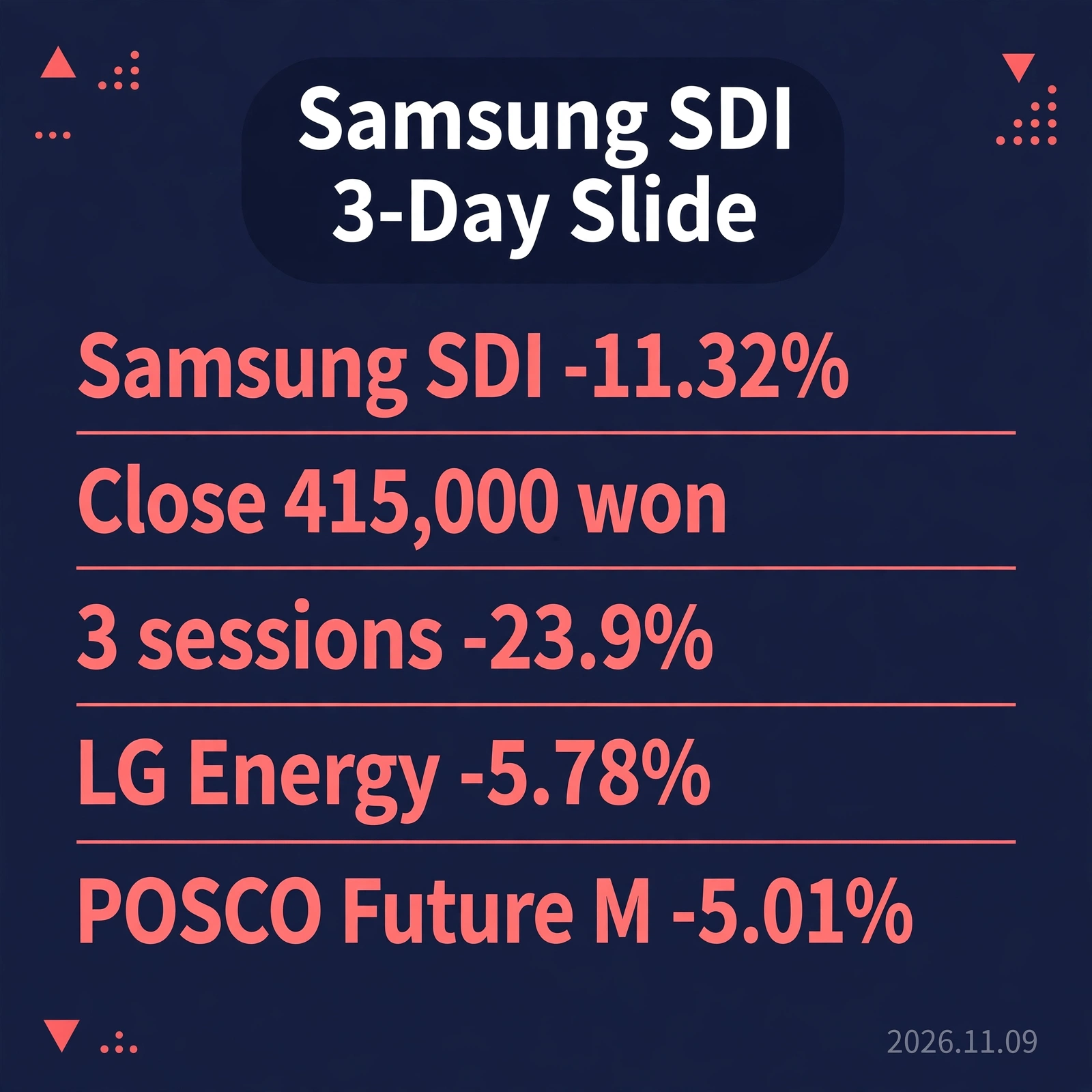
On November 9, Korean battery stocks fell across the board. Samsung SDI dropped 11.32% to close at 415,000 won, LG Energy Solution gave back 5.78% to 318,000 won, POSCO Future M fell 5.01% and LG Chem 5.17%. Samsung SDI fell hardest: from 545,000 won on November 4 to 415,000 won on November 9 — down 23.9% in three sessions.
The rally had been just as fast. On November 4, after the Democrats’ midterm sweep, Samsung SDI jumped 11.57%, POSCO Future M 10.81% and LG Energy Solution 5.03% in a single session. Three sessions later, most of that gain is gone — and Samsung SDI now trades below where it stood before the rally.
Why they rose — green hopes plus ESS demand, two bets at once
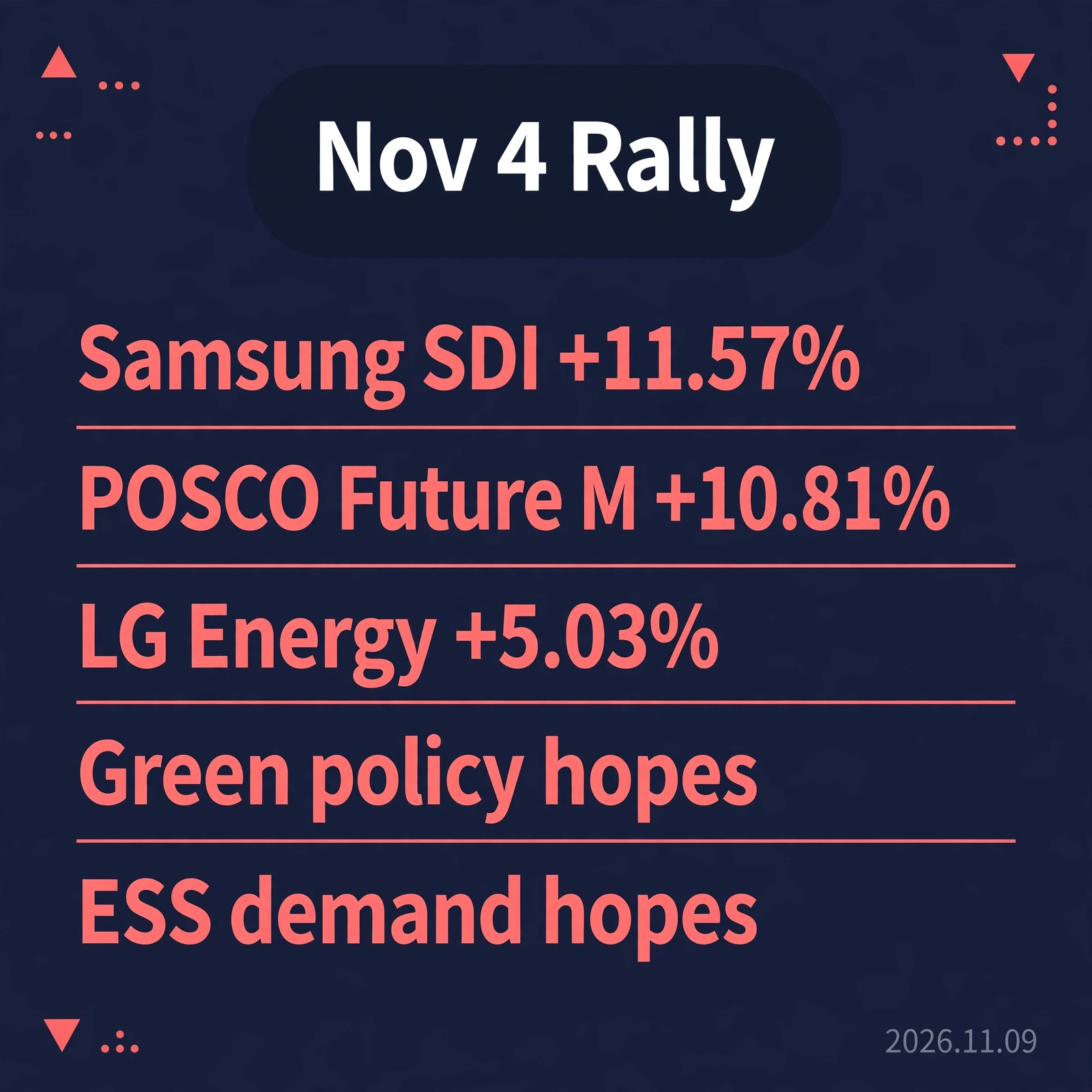
The November 4 rally stacked two expectations. First, hopes that a Democratic sweep would strengthen green-energy support — bigger EV and battery subsidies, more renewable backing, more battery demand. Second, expectations that AI data-center power demand would expand the energy-storage (ESS) market — more data centers means more batteries to store and manage their power.
Both were bets on future policy and demand, not confirmed earnings. The signal was a single election result; the price moved first. A rally built that fast was always going to invite profit-taking.
Why it folded — the same election, read two ways
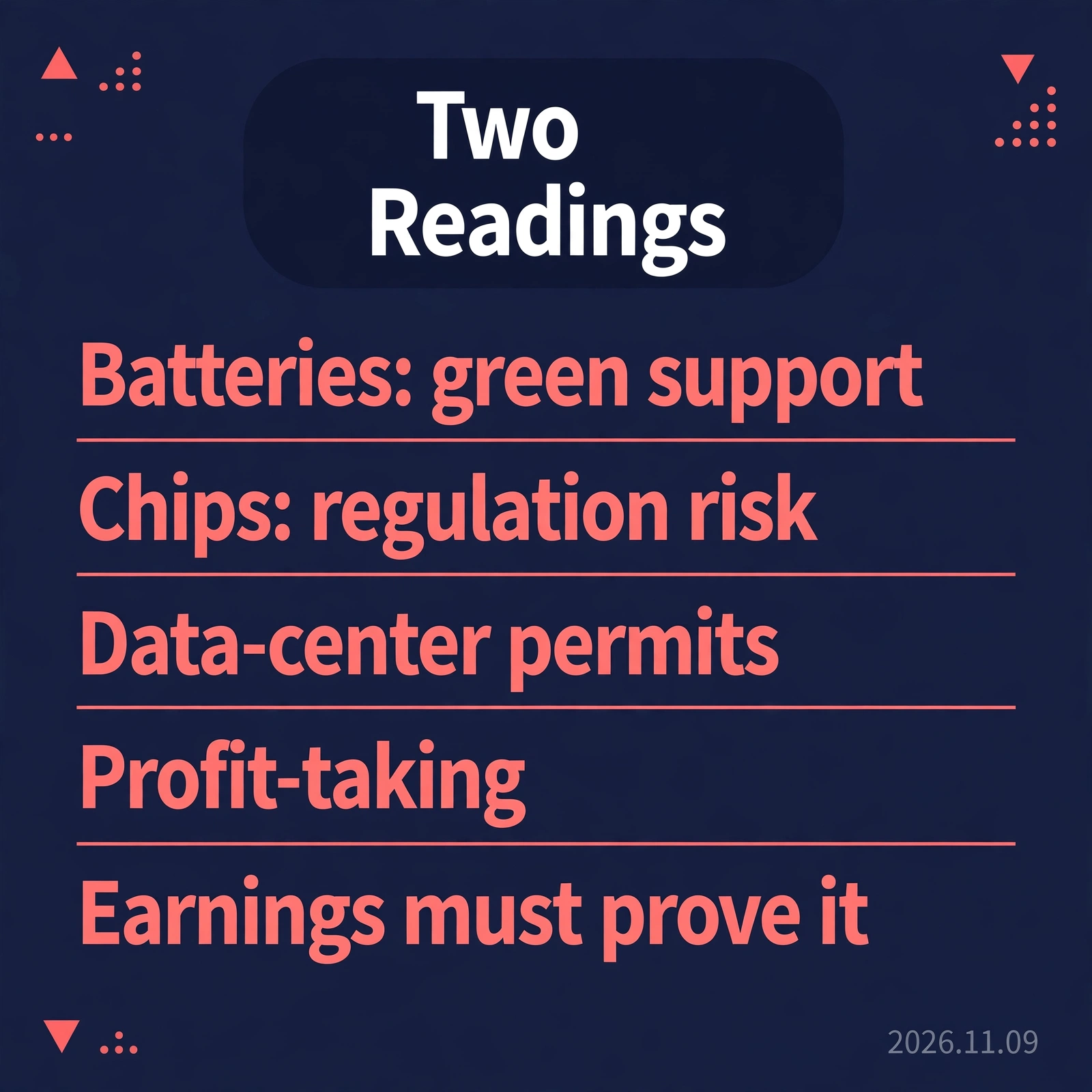
The immediate trigger was profit-taking after a sharp rally, plus persistent doubt over whether US green-policy shifts will actually turn into battery earnings. Policy hopes move fast; subsidy execution, orders and results move slowly.
The deeper reason is that the market split its reading of the same election. Batteries priced the Democratic win as green support and ESS demand; chips and power equipment priced it as data-center regulation risk. With a Democratic candidate winning the Texas governor’s race — Texas is a major US data-center investment region — expectations spread that permitting rules for data-center construction could tighten, and that fear drove selling in large-cap chip names. The two readings could not coexist for long, and the battery reading folded first.
The ESS hope is caught in the same logic: ESS demand assumes data centers keep being built. If construction may be delayed, the ESS demand case wobbles with it.
- Policy trades reverse fast in Korea: battery stocks are a policy-sensitive sector where a single US election can move prices 10% in a day — in either direction. The November 4 gain and the November 9 loss are the same trade, unwound.
- ESS is a derivative bet: energy-storage demand depends on data-center construction continuing. When the AI buildout itself is questioned, the second-order bet falls first.
- What foreign investors should watch: not the next policy headline, but orders and earnings. LG Energy Solution and Samsung SDI need ESS contracts and margins to prove the thesis — the rally proved only that the story is popular.
Three things to watch. First, actual execution of US green policy — support must show up in legislation, budgets and orders before battery earnings forecasts change. Second, battery makers’ ESS orders and results — the thesis needs contracts and revenue, not headlines. Third, data-center permitting and AI capex trends — CoreWeave’s earnings (after the US close on November 10) and Nvidia’s results (November 17) are the next temperature checks. A rally built on policy hopes folded in three sessions — the next one has to be proven with numbers.
Not investment advice. Figures are as confirmed on November 9, 2026, from the Korea Exchange, Aju Press, MoneyToday and Yonhap.
Watch the video

Sources & references
- Aju Press — Battery Stocks Decline After Recent Surge, Samsung SDI Drops Over 6% — Nov 4 rally: Samsung SDI +11.57%, POSCO Future M +10.81%, LG Energy Solution +5.03% on green-policy hopes; profit-taking on Nov 9
- MoneyToday — KOSPI gives up gains as individual, foreign selling mounts — Samsung SDI down in the 11% range, LG Energy Solution down in the 5% range on Nov 9
- Yonhap — KOSPI 200 Closing Price List — Samsung SDI 415,000 won, down 53,000 won (−11.32%)
- Yonhap — Stocks close lower as investors search for directions amid AI sector uncertainties — LG Energy Solution −5.78% to 318,000 won; KOSPI 5,018.85 (−0.81%)
Related articles
- KOSPI Failed Rebound Analysis 5,018 Close Foreign Selling Streak and Nvidia Probe
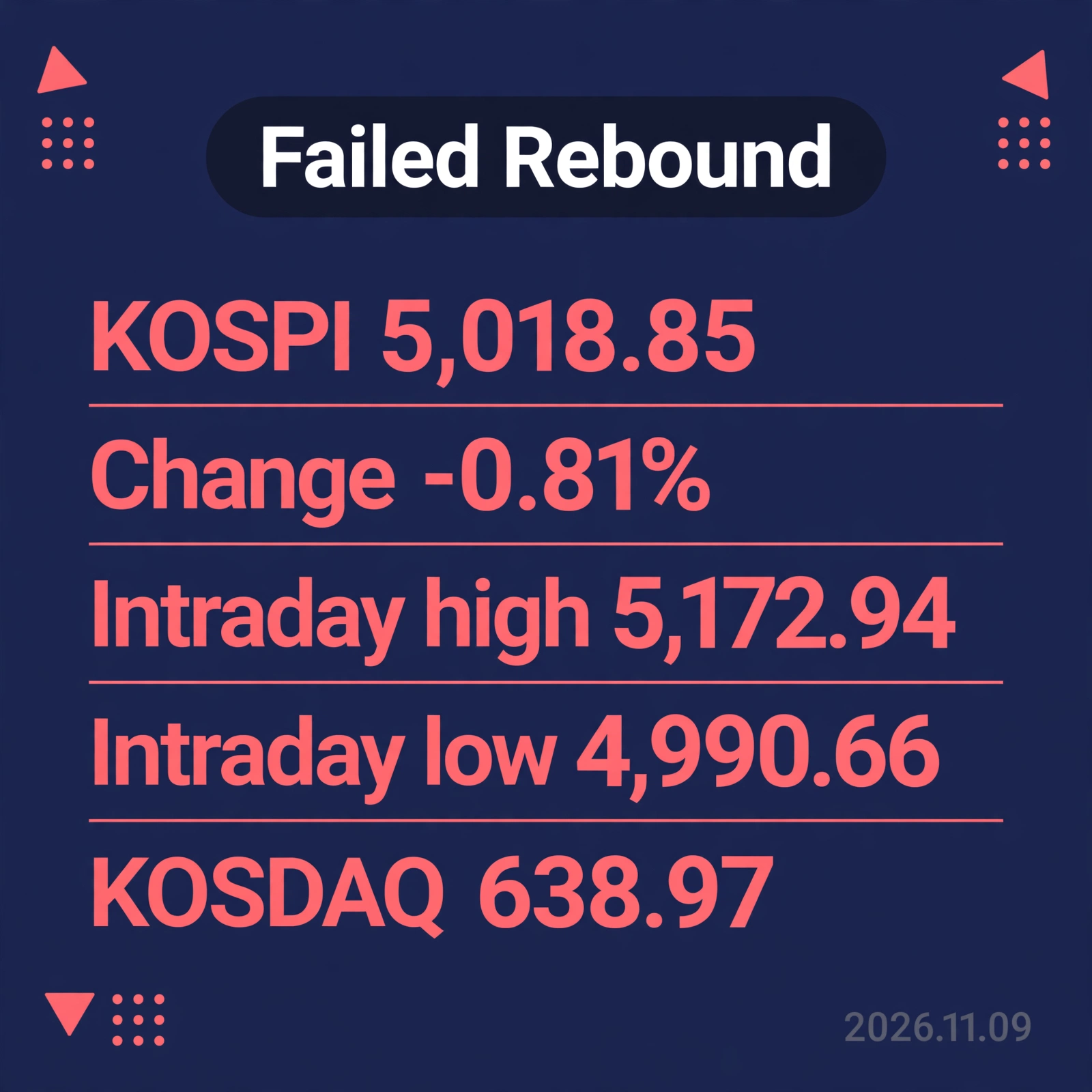
November 9 in Seoul: the KOSPI rallied 2.24% intraday to 5,172.94 but closed at 5,018.85 (−0.81%). Foreigners sold a seventh straight session, an Nvidia board probe capped the rally, and battery stocks gave back the blue-wave rally.
- KOSPI 5.28% Plunge Analysis Blue Wave Data Center Regulation Foreign Selling
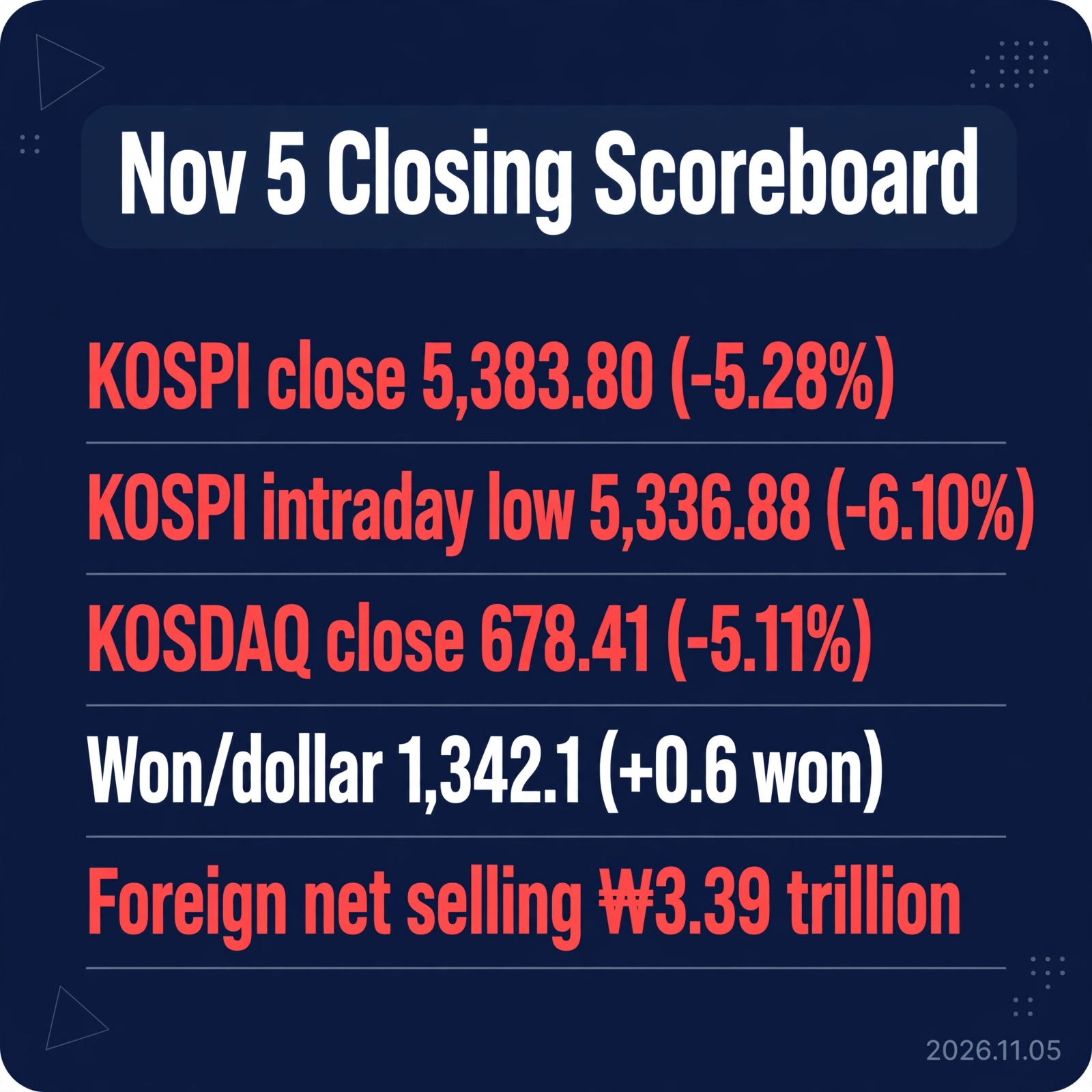
November 5 Korea market brief for foreign investors: the KOSPI plunged 5.28% to 5,383.80 and the KOSDAQ fell 5.11% to 678.41 as blue-wave AI data-center regulation fears drove 3.39 trillion won of foreign selling and triggered sell-side sidecars in both markets.
- US Stocks November 4 Dow 3.03% Surge S&P 500 1.58% Gain Midterm Blue Wave Analysis
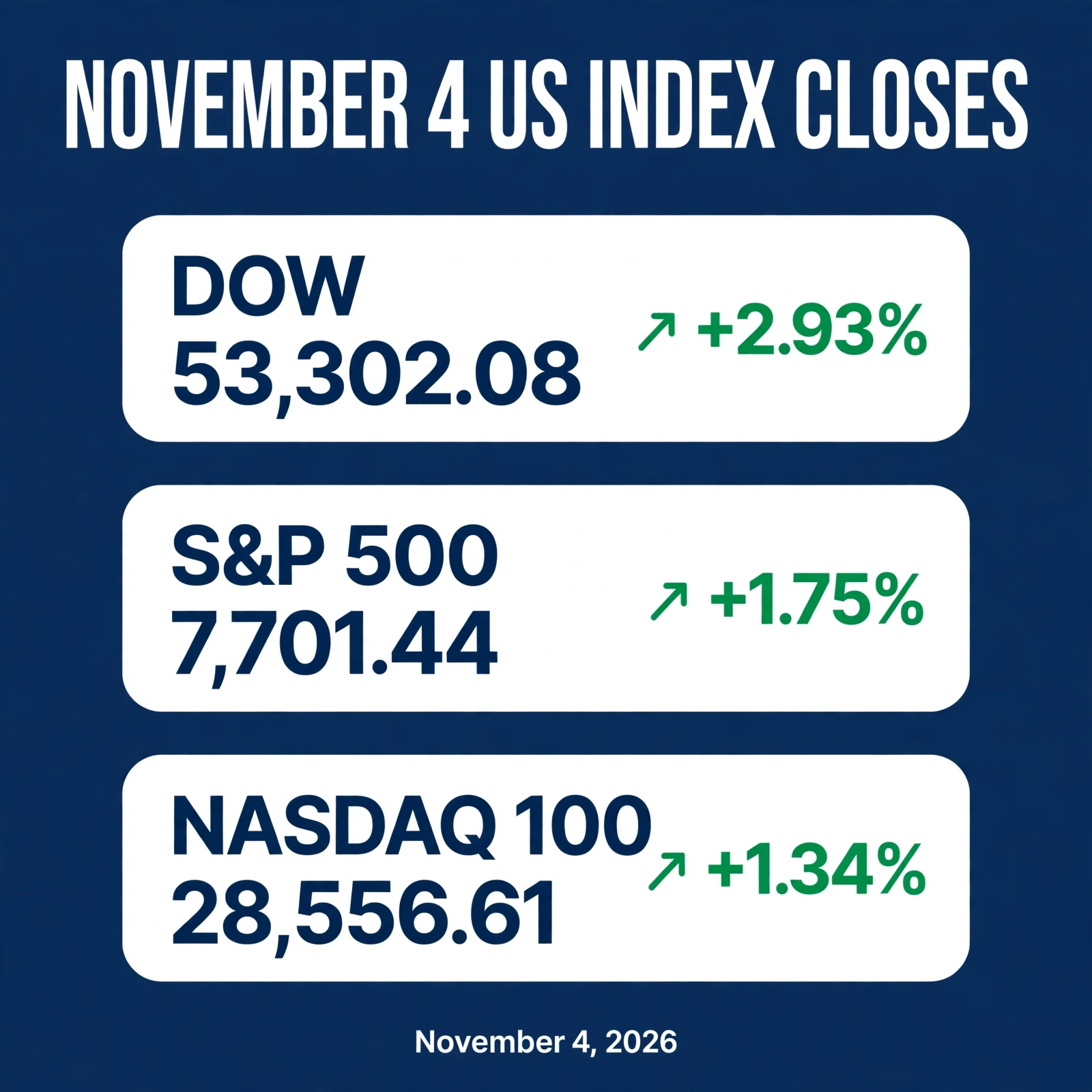
On November 4, US stocks rallied after Democrats took both chambers of Congress in the midterms. The Dow jumped 1,569 points to 53,356.12 and the S&P 500 closed at 7,688.62, while oil fell more than 8% and energy stocks lagged.
5minbrief on YouTube
The briefs also come as videos. Get the daily market wrap on YouTube.
Subscribe on YouTube