 5-minute briefs
Cybersecurity Stock Analysis CrowdStrike 8% Surge PHP Vulnerability AI-Driven Hacking
What happened: PHP flaw takes down European government sites

Two critical vulnerabilities were found in PHP, the programming language powering more than half the web. It became a race against time: some site operators had to take their websites fully offline after hackers exploited the flaws before patches could be completed (per Reuters). Government websites across Europe went dark one after another, spreading fear about “who’s next.”
The expert verdict is what matters. Seven cybersecurity professionals agree that the AI-driven wave of vulnerability discovery is just beginning and similar large-scale outages are “almost certain” to repeat. Hackers are using AI too. When attack weapons get an upgrade, defense spending follows — that’s the market’s logic.
Why it rallied: CrowdStrike +8%, Palo Alto’s third straight gain
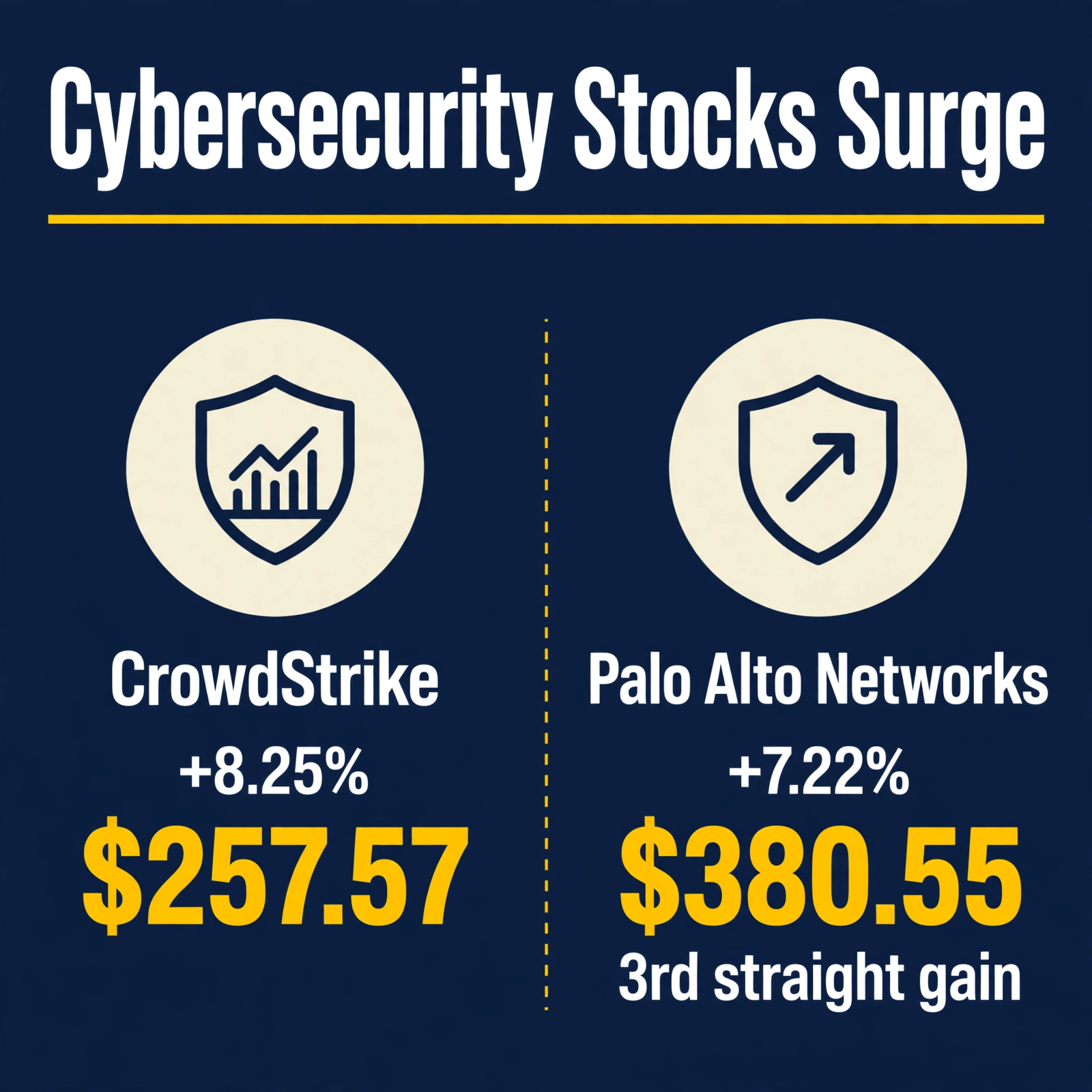
Friday’s market gave a clear answer. CrowdStrike (CRWD) jumped 8.25% to $257.57, the S&P 500’s second-biggest gainer, while Palo Alto Networks (PANW) rose for a third straight session to $380.55 (+7.22%). Deutsche Bank named Palo Alto one of three companies well-positioned to benefit from rising AI usage.
Fundamentals back the move. CrowdStrike’s latest quarter (fiscal Q3 2026) delivered revenue of $1.23 billion (+22% YoY), annual recurring revenue (ARR) of $4.92 billion (+23%), record free cash flow of $296 million and roughly $4.8 billion in cash. Adjusted EPS of $0.96 beat the $0.94 consensus, and net new ARR of $265 million surged 73% YoY — a re-acceleration signal. That said, on a GAAP basis it still posted a $34 million net loss, so it’s not a cleanly profitable company yet.
- PHP: the server programming language behind more than half of all websites. Platforms like WordPress run on PHP, so one flaw can shake sites worldwide.
- ARR (annual recurring revenue): revenue that recurs over a year from subscription contracts. The key gauge of a SaaS company's growth health.
- Non-GAAP (adjusted) earnings: profit calculated excluding non-cash costs like stock compensation. Read it alongside the GAAP net loss to see the full picture.
Three checkpoints for investors

1. Structural demand vs. one-off spike. The trigger was a single event — the PHP flaw. Momentum can fade once patches are done and the news cycle moves on. But as long as the structural story (“AI accelerates vulnerability discovery”) holds, the security-budget expansion trend likely continues.
2. Valuation burden. CrowdStrike already trades at a premium within the security sector. Chasing after an 8% spike is uncomfortable; this is a wait-for-the-next-earnings (due December, Q4 revenue guidance $1.29–1.30 billion) kind of stretch.
3. The Palo Alto difference. CrowdStrike is the event beneficiary; Palo Alto combines that with fundamental momentum like Deutsche Bank’s “AI winner” call. Same sector, different reasons to rise — so the approach should differ too.
Watch the video

Sources & references
- CrowdStrike Investor Relations — Third Quarter Fiscal Year 2026 Financial Results — Latest-quarter earnings and guidance, primary release
- Reuters — Government websites go dark after AI-discovered flaw sparks security scramble (via BusinessWorld) — Original report on the PHP flaws and European government sites going offline
- EconoTimes — CrowdStrike Shares Gain 8.25% as CEO Warns of PHP Breaches — October 23 closing surge report
- TradingKey — Cybersecurity Stocks Extend Rally; Deutsche Bank Says Cybersecurity Firms May Benefit From Rising AI Token Usage — Seven experts' outlook (citing Reuters) and Deutsche Bank's AI-beneficiary call
Related articles
- US Stocks Dow Drop Oil Surge Analysis Brent $116 10-Year Yield Back at 5% (October 23)
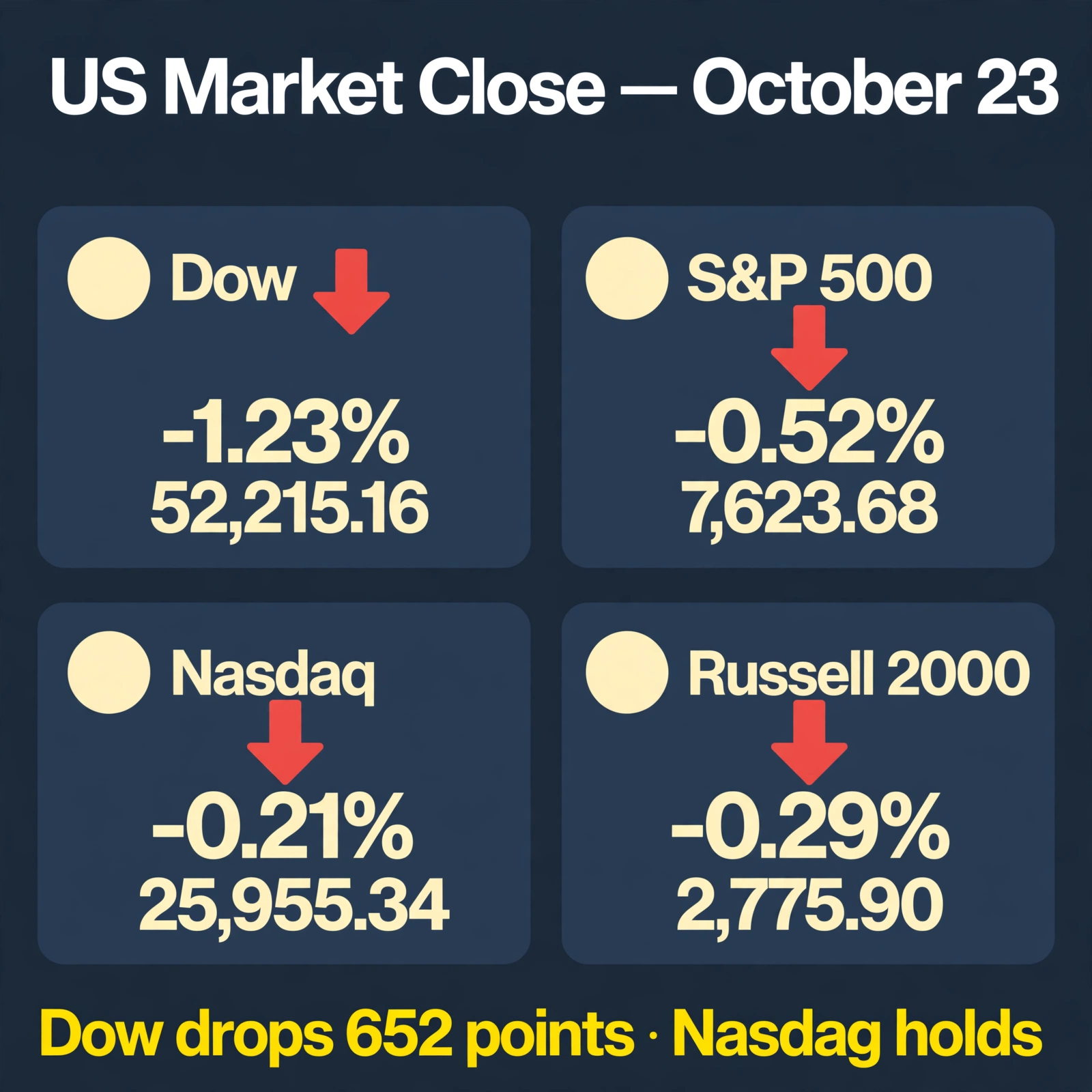
US market close on Friday, October 23: Dow -1.23% (52,215.16), S&P 500 -0.52% (7,623.68), Nasdaq -0.21% (25,955.34). Houthi drone strikes on Aramco and reports of renewed US-Israel strike plans on Iran pushed Brent to $116.72, and the 10-year yield returned to 5.00%.
- Software Stocks Selloff: Twilio -10.6% and AI Disruption Fears, Causes and Outlook
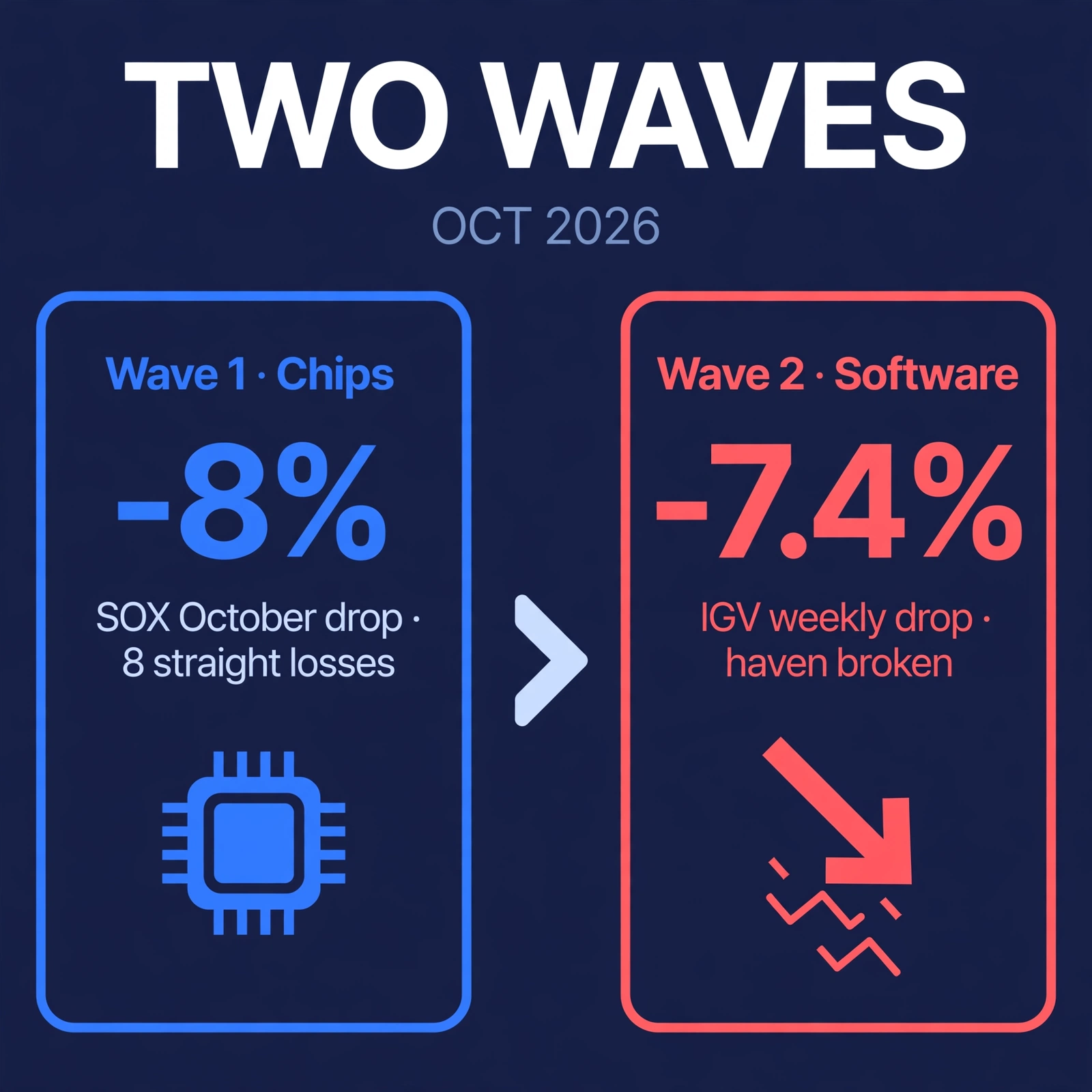
On Friday, October 16, software stocks broke down. Twilio fell 10.6% (the S&P 500's biggest drop), CrowdStrike and Snowflake lost 17% on the week, Pal...
- CoreWeave Q3 Earnings Analysis Revenue $3.66B Beat and $846M Interest Cost Verdict
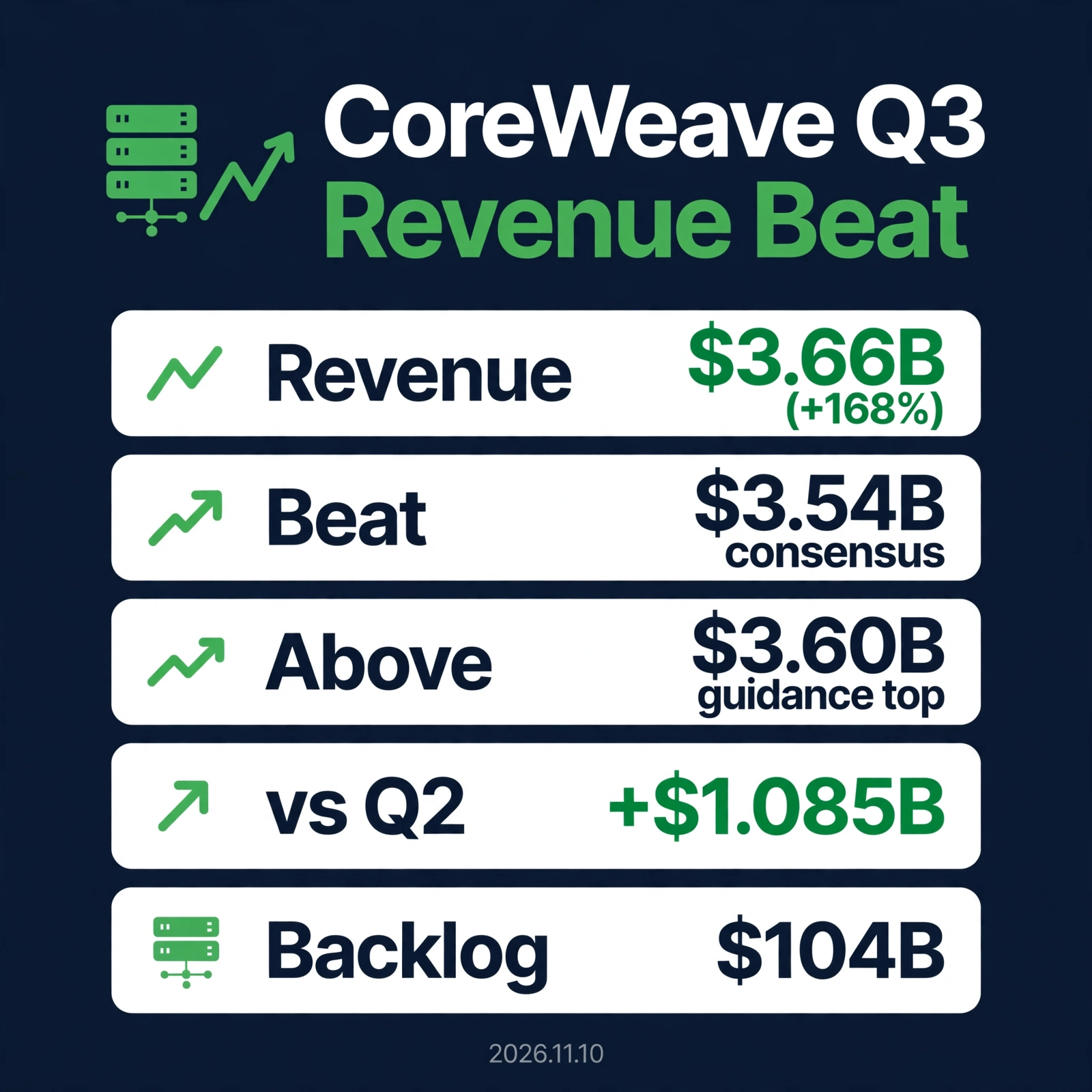
CoreWeave's Q3 revenue of $3.66 billion beat estimates and the company raised its full-year outlook. But interest expense of $846 million was more than double adjusted operating income of $379 million, and the operating margin fell from 16% to 10%. Demand is proven; the money-making structure is not.
5minbrief on YouTube
The briefs also come as videos. Get the daily market wrap on YouTube.
Subscribe on YouTube