 5-minute briefs
Instacart Sale Review Uber DoorDash Takeover Interest Grocery Delivery Stock Analysis
What happened: Instacart explores a sale
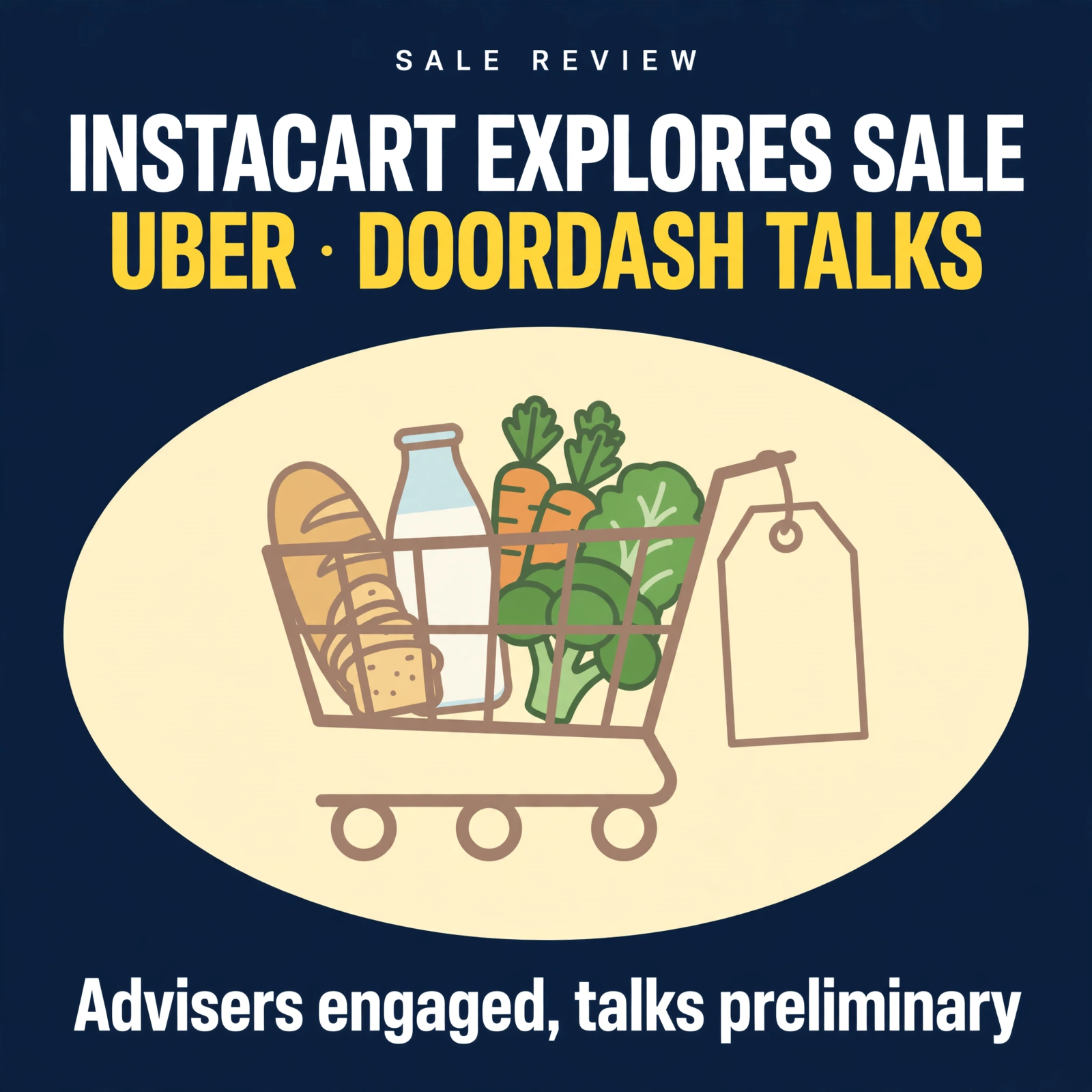
The Information reported on Friday, citing people familiar with the matter, that Instacart is exploring a possible sale of the company. It has engaged financial advisers to weigh its strategic options and has held preliminary discussions with rivals Uber and DoorDash.
The scale matters. Instacart currently carries a market value of about $12 billion. The Information noted that applying a standard takeover premium of 30–40%, typical for public technology company acquisitions, could price a buyout at roughly $16 billion to $17 billion. Discussions remain ongoing, and there is no guarantee they lead to a definitive agreement. Instacart, Uber and DoorDash all declined to comment to Reuters, or did not immediately respond.
This is not Instacart’s first sale process. In 2021, DoorDash held talks to acquire the company in a deal that would have valued it at $40 billion to $50 billion, when its private-market valuation stood at $39 billion. Those negotiations collapsed in part over concerns about securing antitrust approval. Five years later, the value being discussed is less than half that level.
Market reaction: only the target smiled
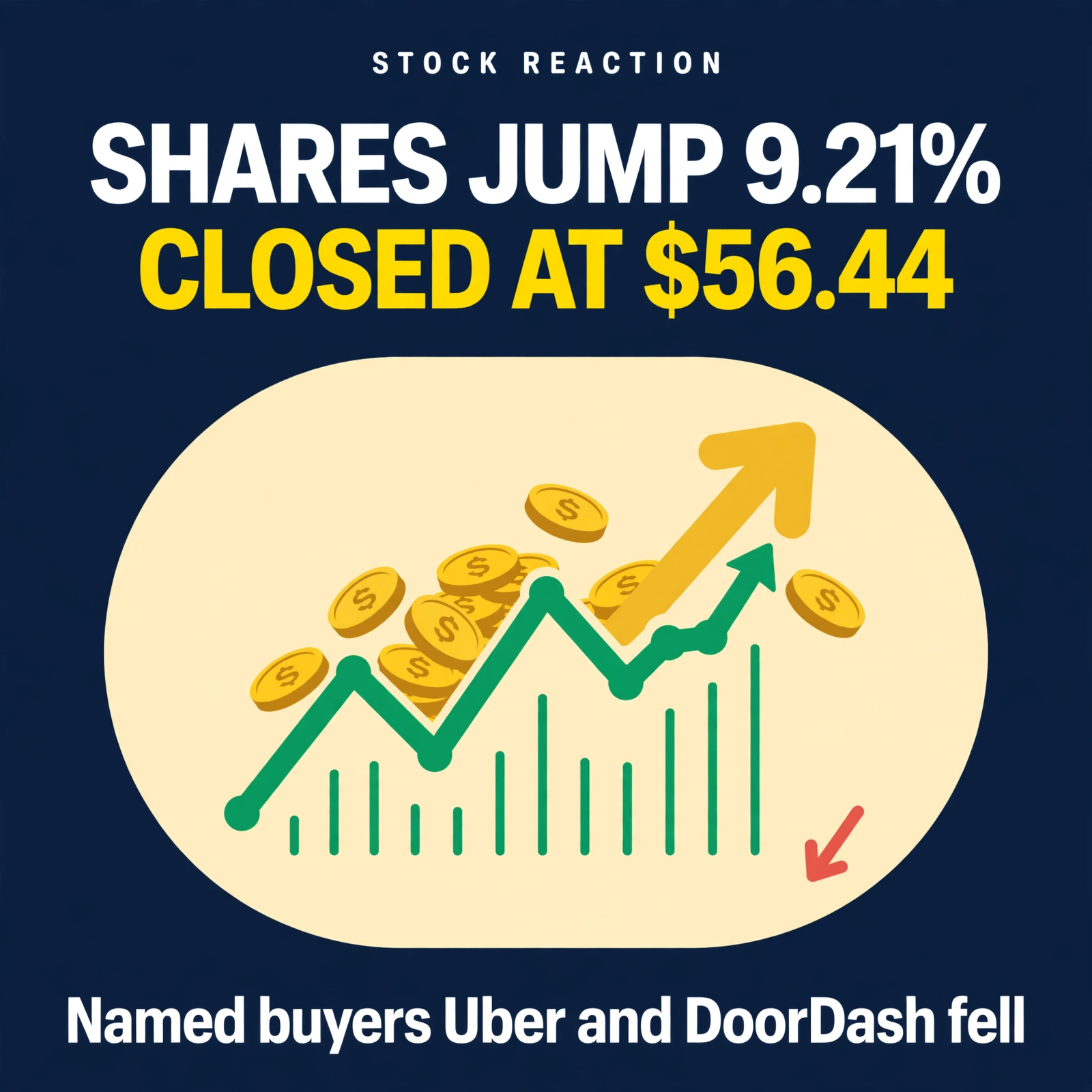
Friday’s market verdict was asymmetric. Instacart closed 9.21% higher at $56.44, up from a previous close of $51.68, as investors started pricing in the chance of a takeover premium.
The named buyers went the other way. Uber closed down nearly 3%, while DoorDash fell more than 4% (Reuters). That is the usual pattern in deal reports: the acquirer shoulders the cash bill and the regulatory risk, so the premium accrues to the target’s shareholders, not the buyer’s.
- Takeover premium: the amount a buyer pays above the current share price to win control. A 30–40% premium is the typical range cited for public tech deals.
- GTV (gross transaction value): the total value of goods transacted through the platform. It measures a delivery platform's scale, and is not the same as the revenue the company keeps.
- Antitrust review: the regulatory check on whether a merger would harm competition. Deals combining the largest players in the same market face the toughest scrutiny.
The seller’s report card: profitable, but slowing
To understand why Instacart might sell, look at the fundamentals. In its most recent quarter (Q2 2026), Instacart posted GTV of $10.35 billion, up 14% year over year, and total revenue of $1.04 billion, also up 14%. It is profitable on a GAAP basis, with net income of $111 million, adjusted EBITDA of $313 million, and free cash flow of $480 million, on 90.3 million orders (up 9%). This is a business that makes money.
Advertising is the faster-growing engine. Advertising and other revenue rose 16% to $297 million, outpacing the core transaction business, and the company also repurchased $325 million of its own shares during the quarter.
The soft spot is growth momentum. Instacart’s revenue growth slowed to about 11% in both 2024 and 2025, versus 28% growth at DoorDash last year, and its latest EPS of $0.45 missed the $0.55 consensus estimate. Selling while the platform still commands strategic value can look more attractive than grinding on independently against larger, faster-growing rivals.
Investor checkpoints: 3 things to watch
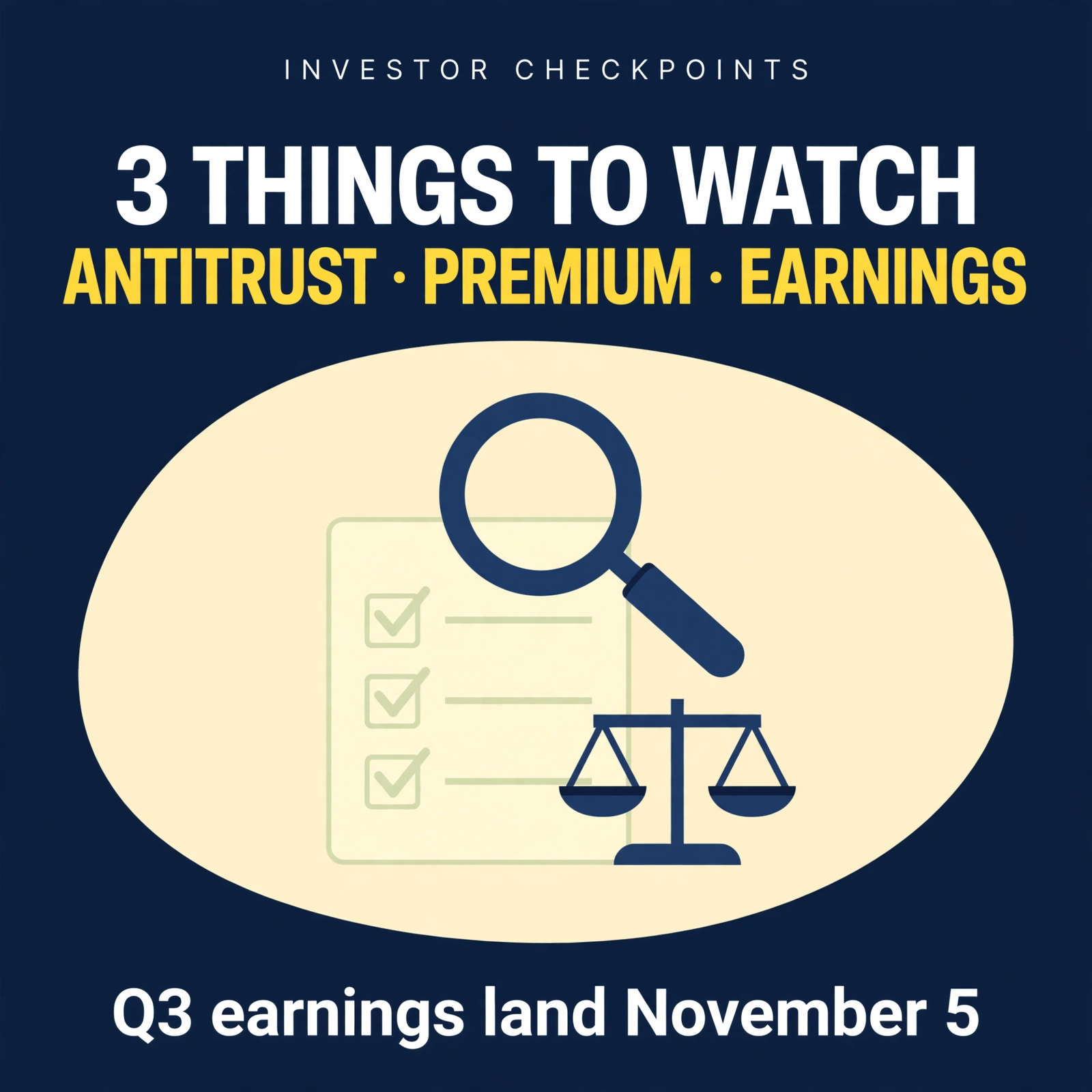
① Antitrust decides whether any deal lives. Both Uber and DoorDash already operate grocery and food delivery services, so buying Instacart is a horizontal merger — the combination of direct competitors — and that is precisely what sank the 2021 talks. The current administration, however, has shown more willingness to approve corporate deals with conditions attached, such as divesting specific assets, so the regulatory weather may differ from five years ago. Two context points: Uber already agreed in July to buy Germany’s Delivery Hero for nearly $15 billion, so its delivery consolidation push is under way; and Instacart already has commercial ties with Uber, including a partnership that lets customers order Uber Eats through the Instacart app.
② The premium is an estimate, not an offer. The $16–17 billion figure simply applies a typical premium to the current market value. The bigger the regulatory risk, the harder a buyer pushes back on price — and conditions attached to any approval would shrink the synergies that justify paying up. With the stock already pricing in deal hopes, a stall in talks could unwind the gain just as fast.
③ Q3 earnings on November 5 are the near-term catalyst. Instacart reports third-quarter results on November 5. In the middle of sale talks, an earnings print doubles as a valuation document: whether GTV and advertising growth hold up will feed directly into what any buyer is willing to pay.
Watch the video

Sources & references
- Maplebear (Instacart) — Second Quarter 2026 Financial Results (PR Newswire) — Primary Q2 2026 earnings release
- Skimwire — Instacart explores sale, holds talks with DoorDash (based on Reuters reporting) — Sale-exploration report and market reaction (citing Reuters)
- Zacks — CART Q2 Earnings Miss, Revenues Beat on GTV and Ad Growth — EPS versus consensus check
Related articles
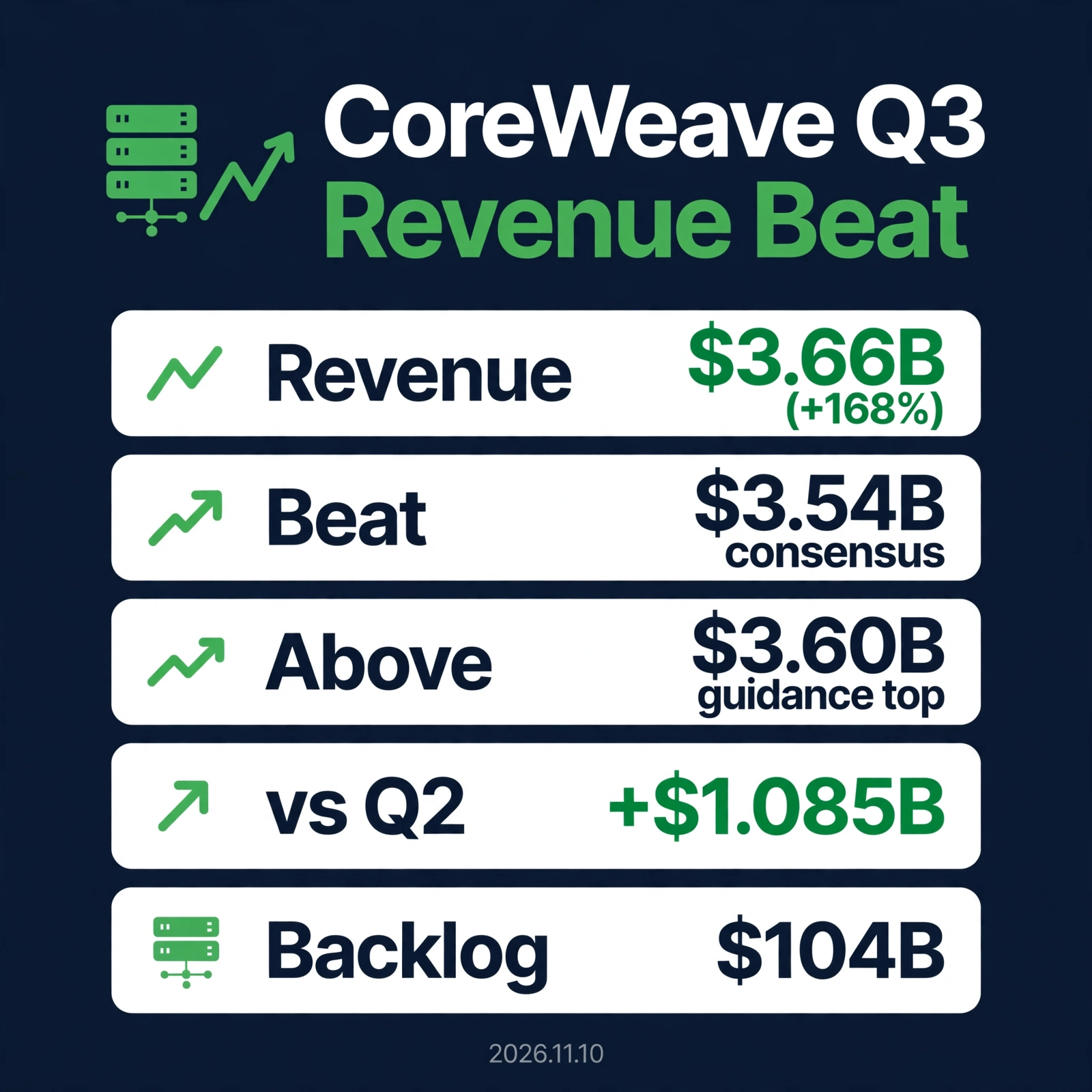
- CoreWeave Q3 Earnings Analysis Revenue $3.66B Beat and $846M Interest Cost Verdict
CoreWeave's Q3 revenue of $3.66 billion beat estimates and the company raised its full-year outlook. But interest expense of $846 million was more than double adjusted operating income of $379 million, and the operating margin fell from 16% to 10%. Demand is proven; the money-making structure is not.
- Constellation Energy Stock Analysis: AI Power Demand and Q3 Earnings Surprise
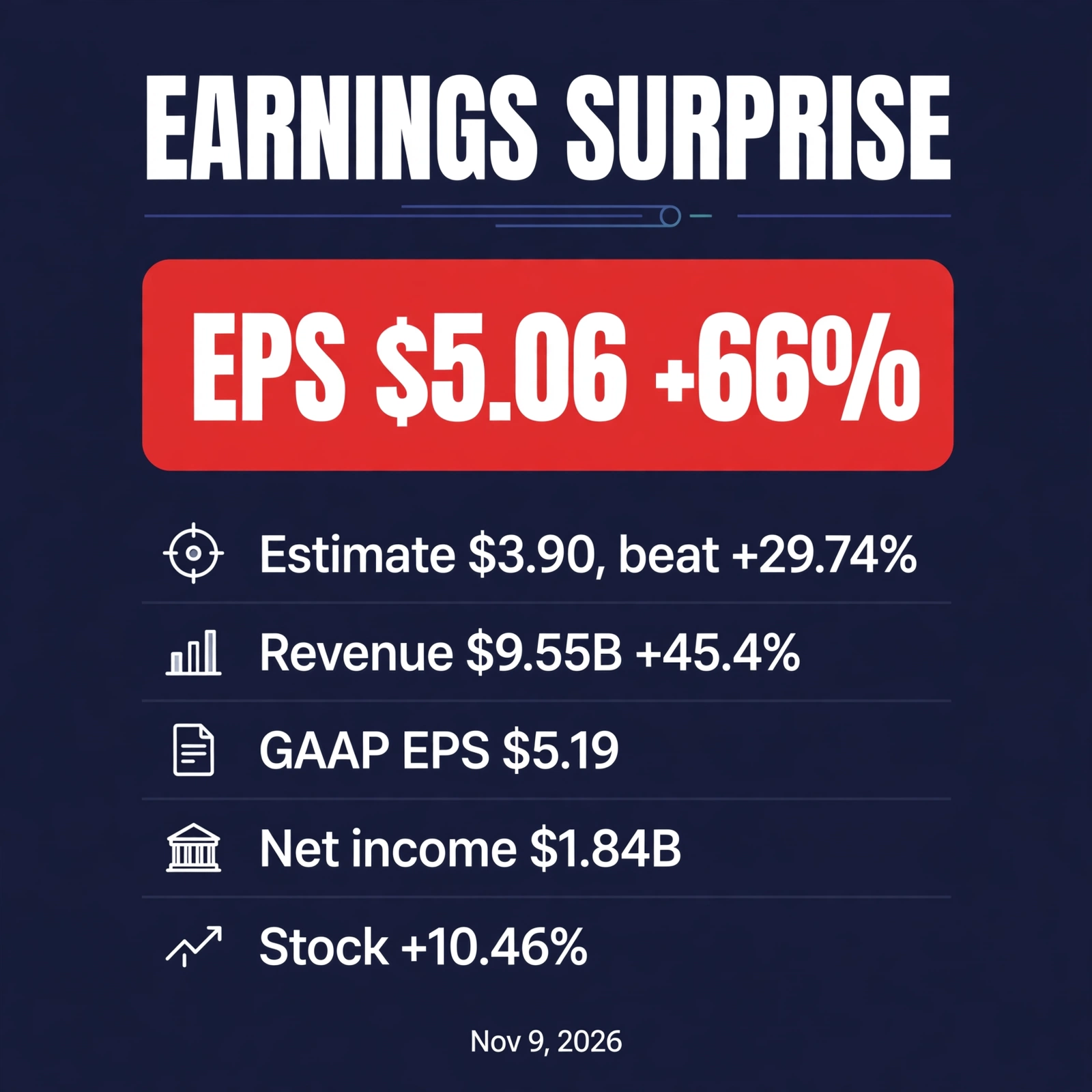
Constellation Energy jumped 10.46% after third-quarter adjusted EPS of $5.06 beat estimates by 30%. Twenty-year nuclear deals with Amazon and Google show what AI power demand really looks like — while long-term debt has swollen to $19 billion.
- Foreign Buying Korea Analysis First Net Buying in Eight Sessions After 12.7 Trillion Won Selloff
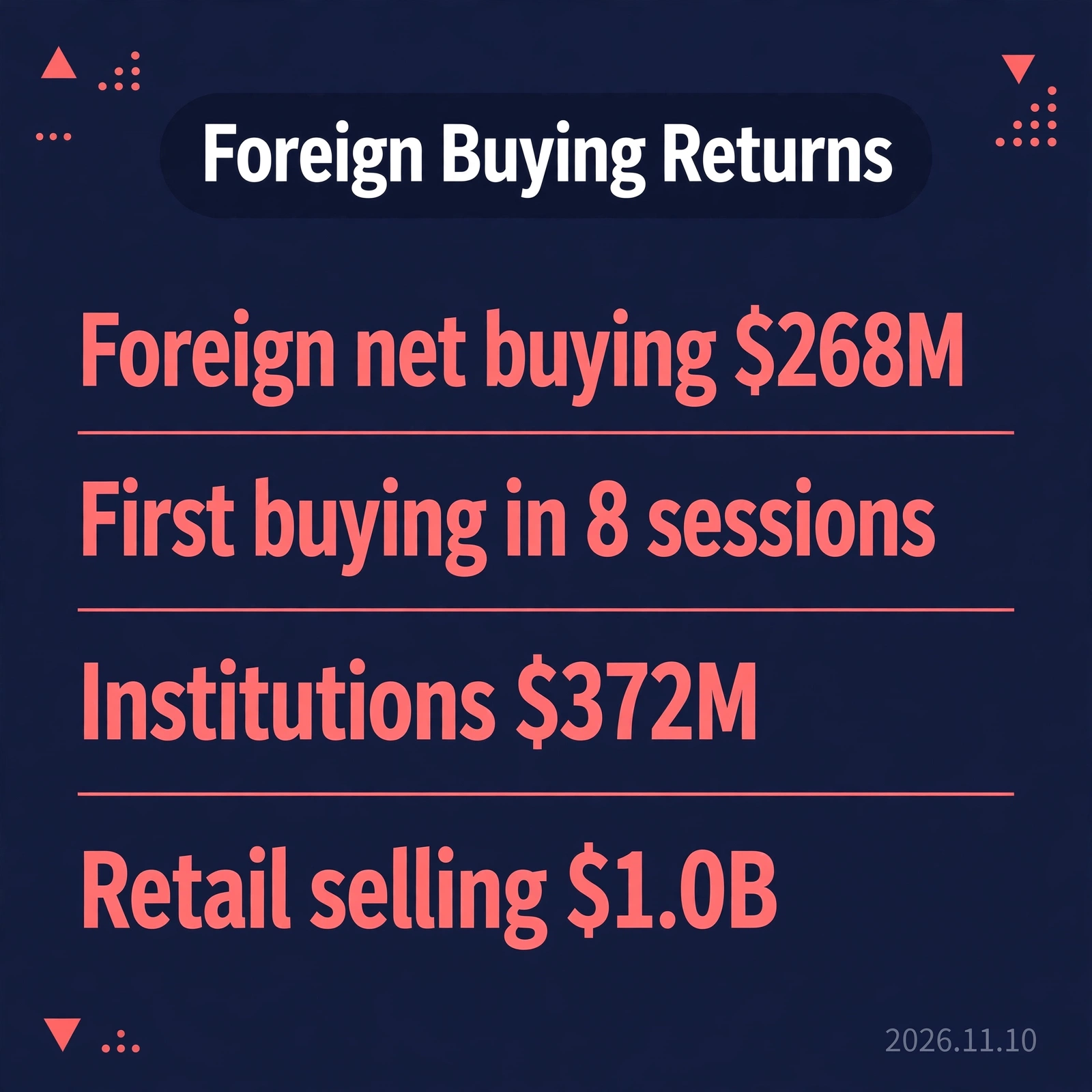
Foreign investors bought Korean shares for the first time in eight sessions, after selling 12.75 trillion won ($9.5 billion) over the previous seven. The buying is real but small — 2.8% of the outflow — and foreigners are still selling on the KOSDAQ. Four tests decide whether this is a turn or a one-day bounce.
5minbrief on YouTube
The briefs also come as videos. Get the daily market wrap on YouTube.
Subscribe on YouTube