 5-minute briefs
FOMC Rate Hold Analysis 3.75–4.00% Held in 10-2 Vote and December Hike Signal
#FOMC#Fed#rate hike#December FOMC#inflation
The skeleton: a hold, 10-2, two hawkish dissents
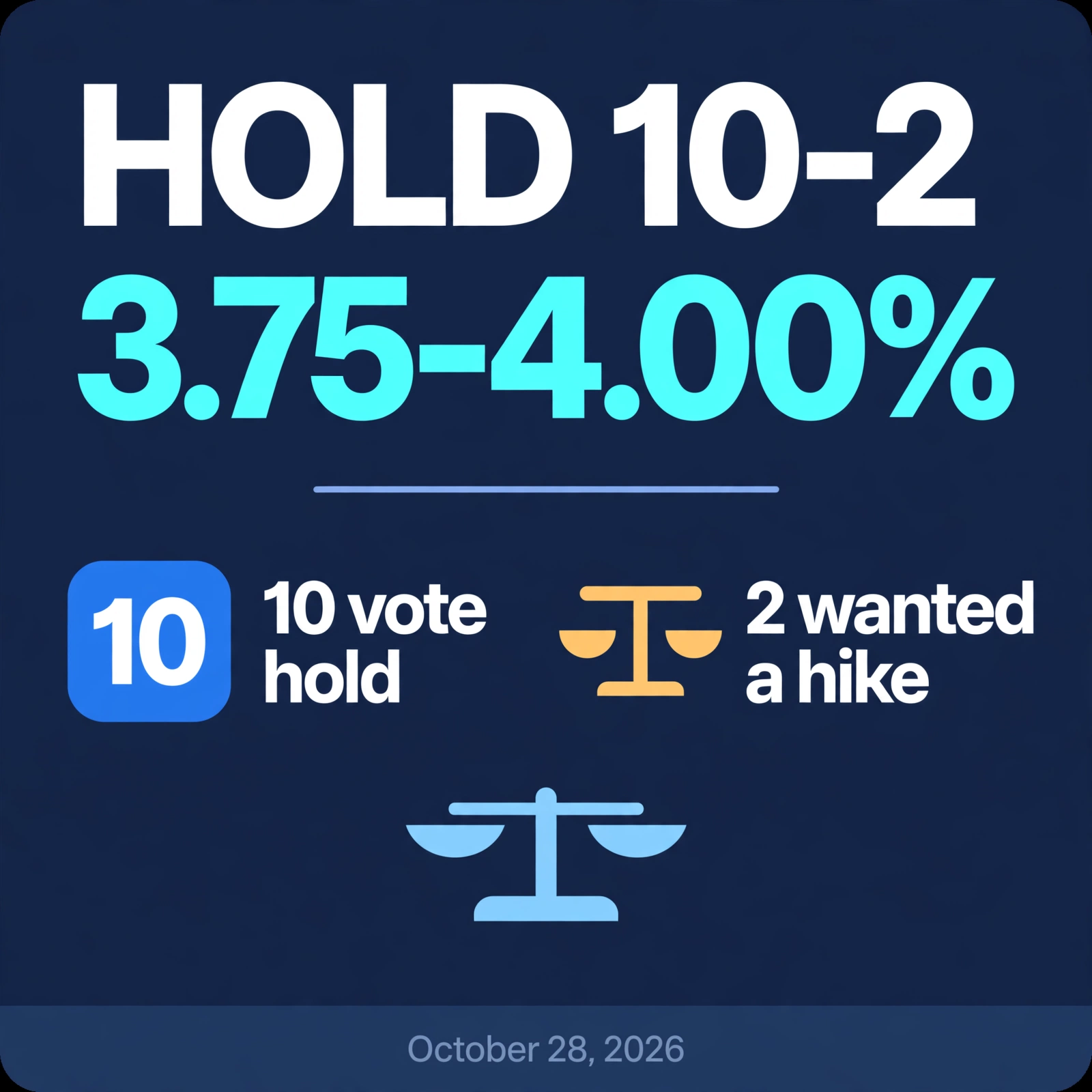
The decision itself matched expectations. The Fed kept the federal funds target range at 3.75–4.00%, and futures markets had overwhelmingly priced a hold going in. The vote composition changed, though. September’s hike was unanimous, but this time only 10 of 12 voting members backed the hold, while Governor Lisa Cook and Cleveland Fed President Beth Hammack dissented in favor of an immediate 0.25 point hike. For Cook, it was reported as her first dissent on a policy decision.
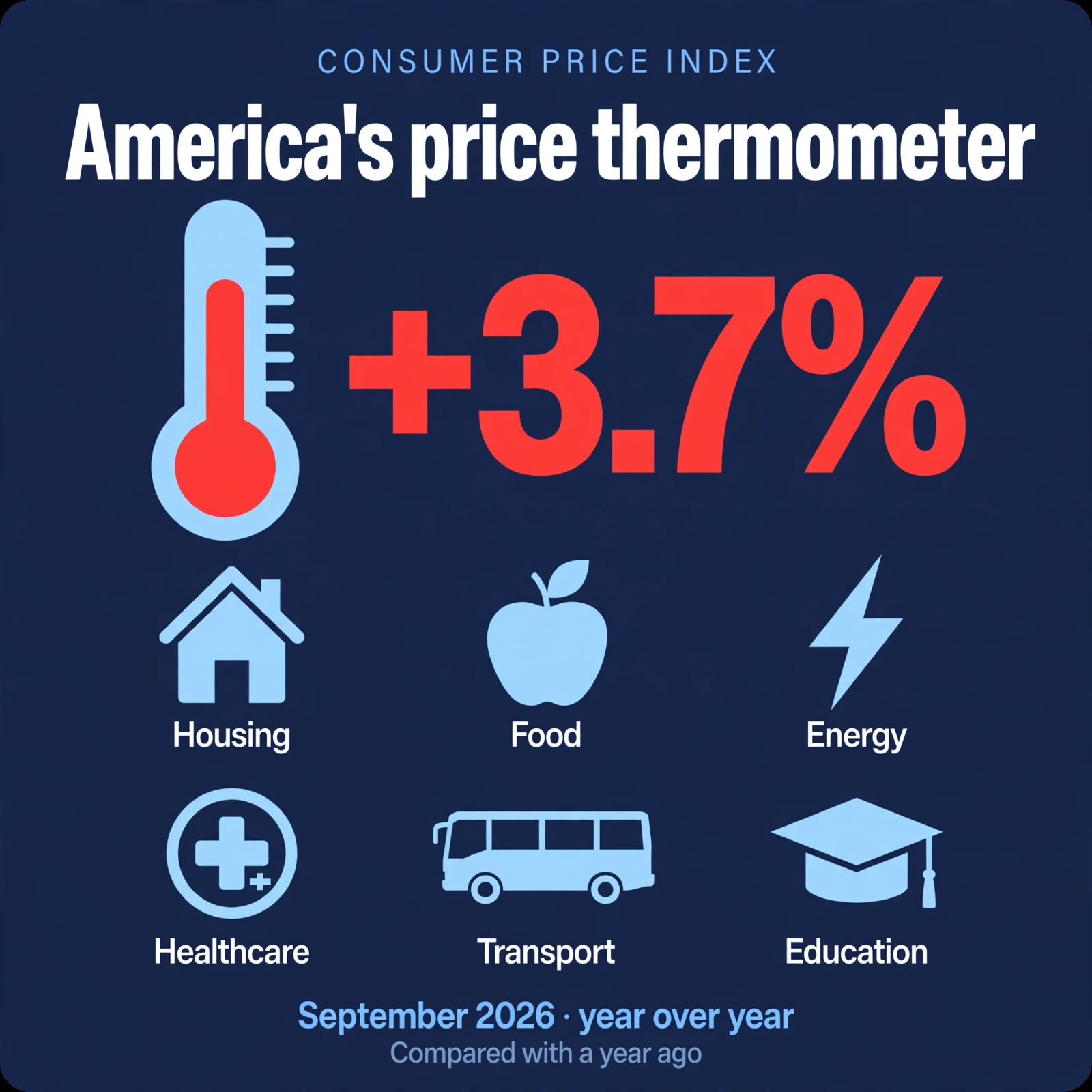
The statement’s wording matters too. It says inflation “remains elevated” and that the “accumulation of more information” will help the committee judge the right stance. Language suggesting the policy move itself would speed a return to the 2% goal dropped out. The plain read: the Fed did not declare inflation beaten; it deferred judgment until it sees more data. With September consumer inflation at 3.7% year over year, the 2% goal is still some distance away.
What changed since September: from a unanimous hike to a split hold
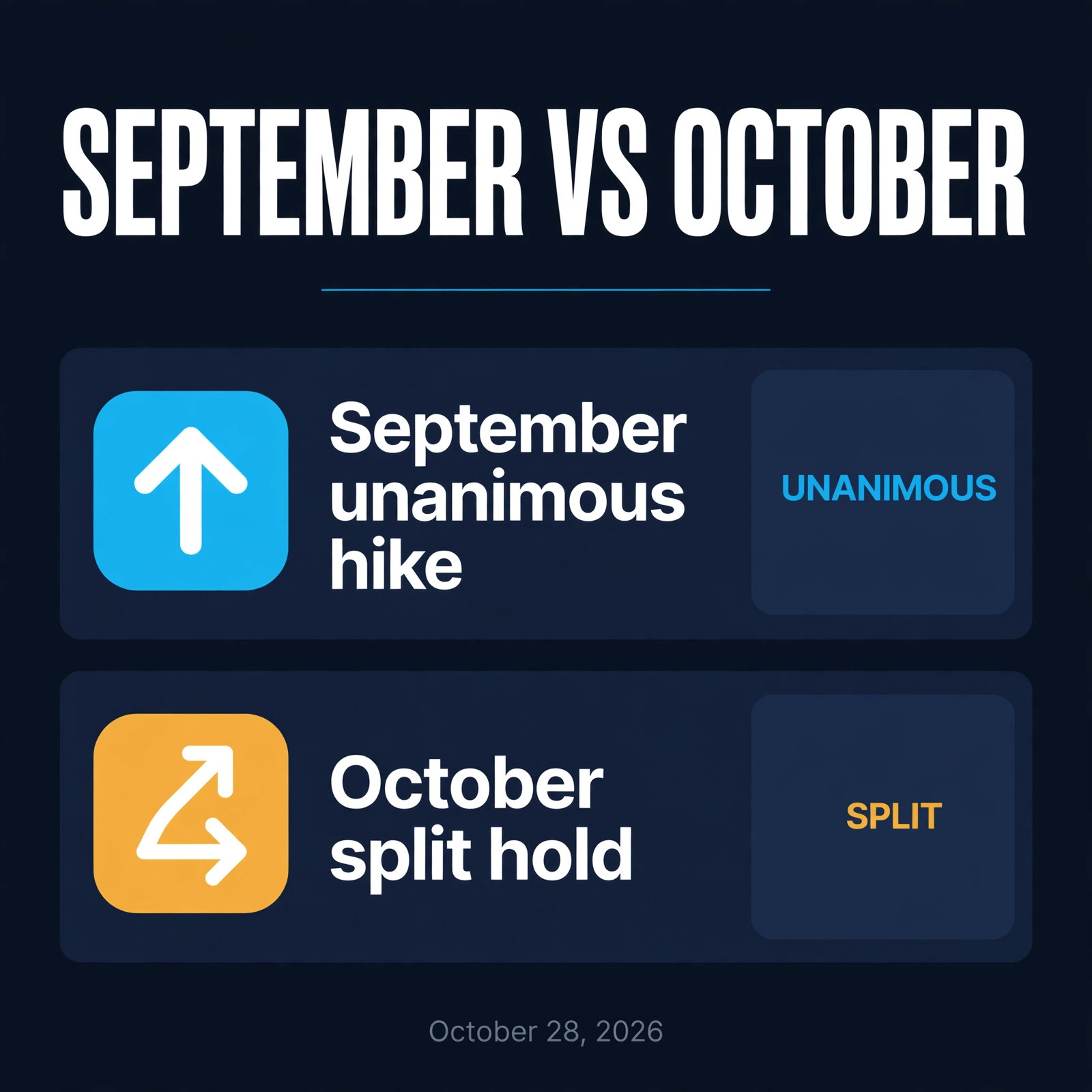
Put September and October side by side and the direction is visible. On September 16 the Fed raised rates by 0.25 points unanimously, its first hike since 2023. A month later the same committee chose a hold, but unanimity broke. Two dissents leaning toward tighter policy are the biggest news of this meeting. The rate level did not move, yet the committee’s temperature moved hawkish.
The economic assessment also stepped up. The statement describes activity as expanding at a “strong pace”. At the press conference, Warsh said first-half GDP growth was revised up to 2.4% from 1.8%, third-quarter growth likely runs above 3% led by healthy consumer spending, and business investment is rising at about a double-digit pace. “Strong economy, unchanged rate” supports the reading that the Fed is buying time to observe the September hike’s effects, not pausing because growth is failing.
The Warsh press conference: no December hint, but fewer meetings
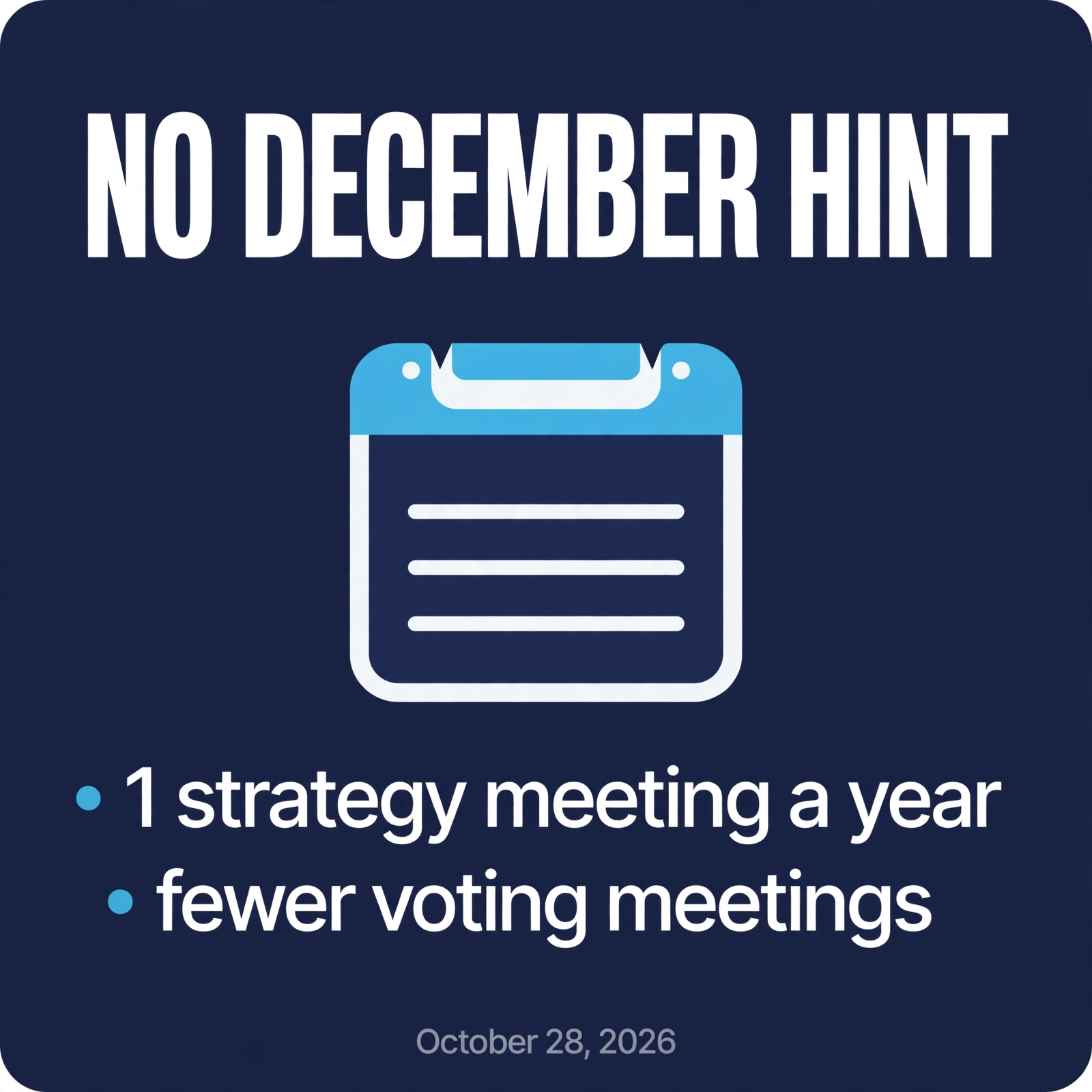
Warsh drew a line on December. “I don’t prejudge meetings,” he said, and “politics played no role” in the decision. He added that a lot can be learned in the six weeks before the next meeting, and that financial conditions have “tightened a bit” since the September hike. That reads two ways at once: the hike is already working, and there is no need to rush the next one.
Instead, Warsh announced an institutional change. Starting next year, one of the eight annual meetings will be devoted to broad monetary policy strategy instead of rate setting. That leaves seven voting sessions in 2027 and six in 2028. For investors, that has two implications. First, with fewer rate decisions, each decision carries more weight. Second, strategy meetings discuss the policy framework itself, so watching only “the next meeting” is no longer enough. After the hold, markets kept or even strengthened their pricing of a December hike.
- Hawk: a policymaker who prefers higher rates to fight inflation. The opposite is a dove.
- Dissent: a vote against the majority. Markets read it as a clue about the next meeting's direction.
- Federal funds target range: the Fed's short-term benchmark rate range, currently 3.75–4.00%.
Investor checklist: three data points that will decide December
Three things will dominate the run-up to December. First, inflation: whether September PCE and October CPI move down from the high-3% range or stay stuck there. Second, employment: Warsh called the employment picture “quite positive,” so as long as jobs hold up, the hawkish dissents keep their force. Third, oil and the Middle East variable: with WTI above $102, it is hard for the Fed to declare inflation beaten.
The conclusion is one sentence. Do not read the October hold as “hiking is over.” A 10-2 vote, two hawkish dissents, a statement that inflation “remains elevated,” and intact December hike pricing all point the same way. The Fed has paused, but it has not closed the door to another hike.
Watch the video

Sources & references
- Federal Reserve — FOMC statement (October 28, 2026) — The October hold, the vote and the dissents, from the statement
- Federal Reserve — FOMC statement (September 16, 2026) — The unanimous September hike, for the wording comparison
Related articles
- US Market Close Analysis FOMC Holds Rates at 3.75–4.00% in 10-2 Vote as Microsoft and Alphabet Earnings Split (October 29)
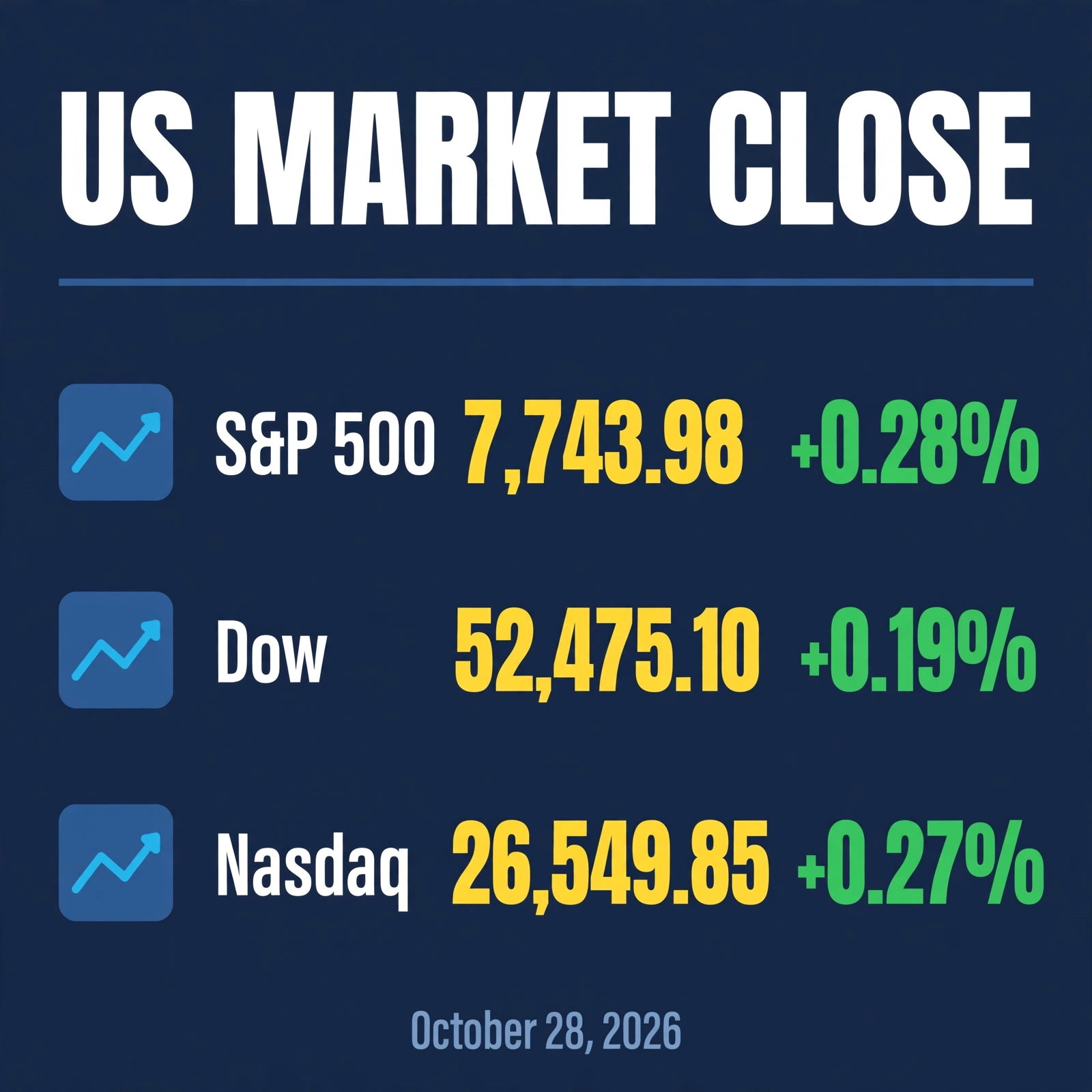
Wednesday, October 28 US close: S&P 500 7,743.98 (+0.28%), Dow 52,475.10 (+0.19%), Nasdaq 26,549.85 (+0.27%). The Fed held rates at 3.75–4.00%, and after the close Microsoft beat estimates while Alphabet's net income fell sharply.
- Brent $110 Oil Inflation Rates Valuation Transmission Path Analysis
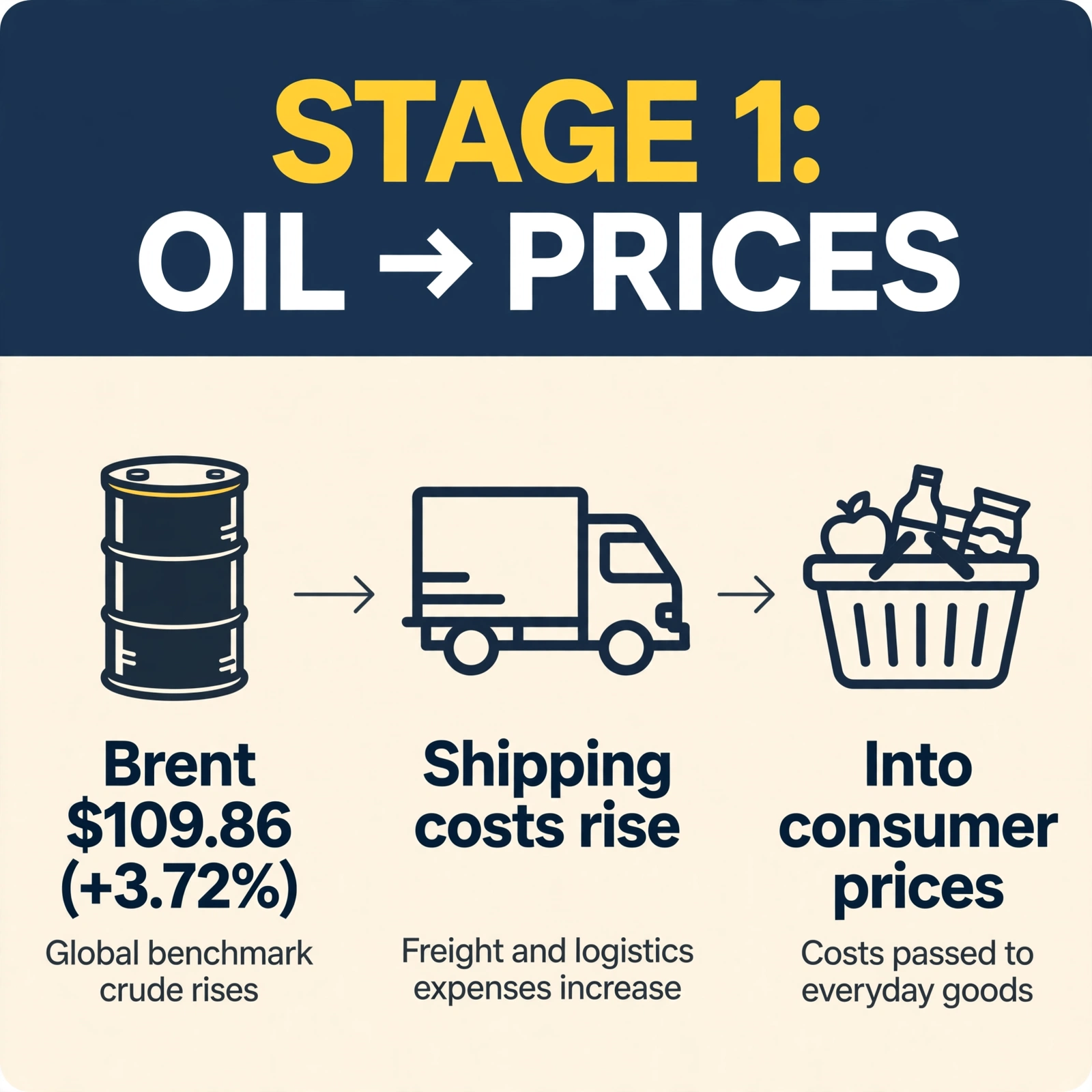
Brent crude broke above $110. Oil shakes stocks through three stages: oil→prices (fuel lifts transport and goods), prices→rates (the Fed turns hawkish...
- CPI Consumer Price Index Concept and Stock Market Impact
CPI explained for beginners: what the Consumer Price Index measures, headline vs. core CPI, and why hot inflation readings move stocks.
5minbrief on YouTube
The briefs also come as videos. Get the daily market wrap on YouTube.
Subscribe on YouTube