 5-minute briefs
AT&T -6.45% on Wireless Miss: How to Read Telecom Earnings
What happened
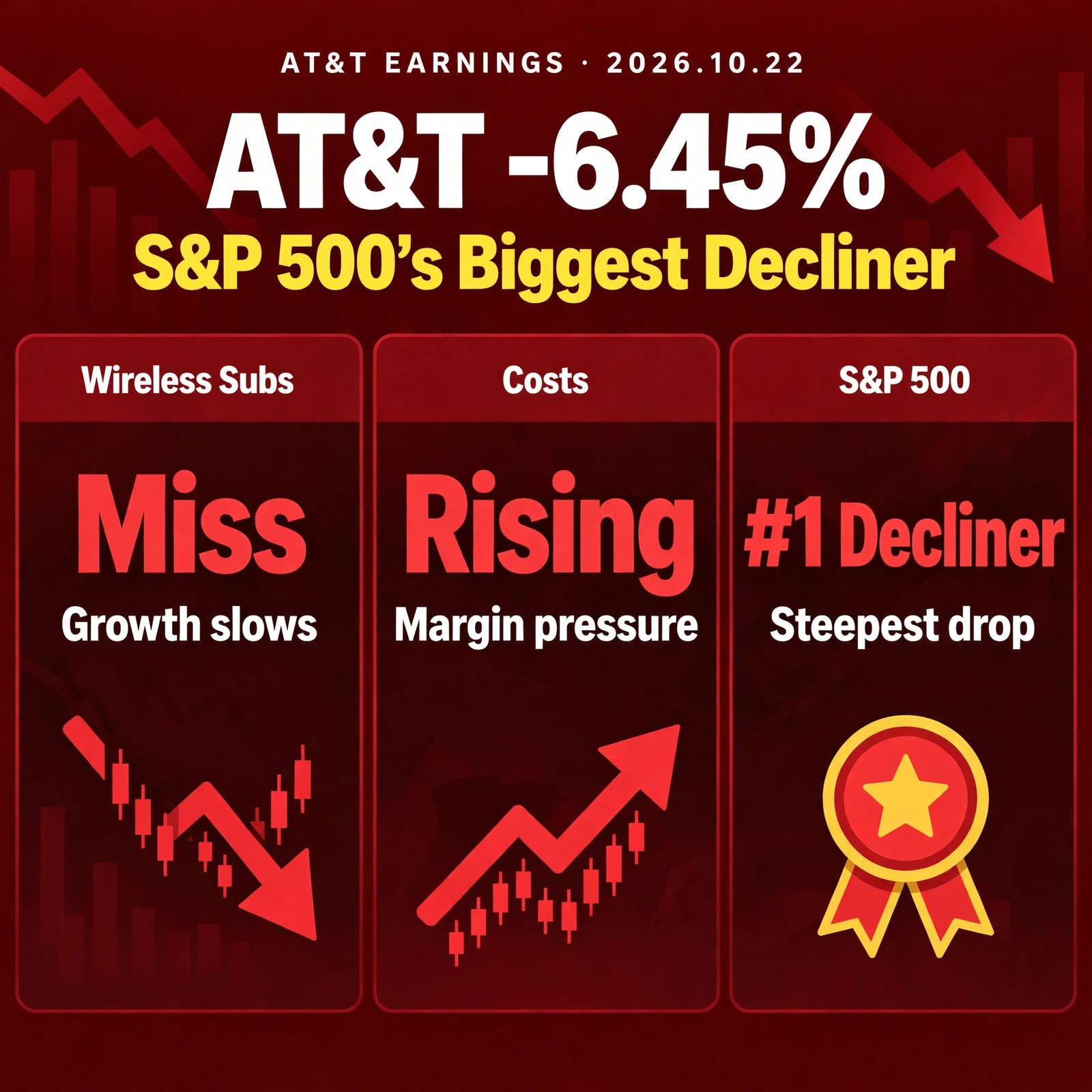
AT&T (T) tumbled 6.45% after its Q3 results — the steepest drop in the S&P 500 that day. Wall Street was disappointed on two fronts: core wireless subscriber growth came in soft, and costs rose. Fewer new subscribers, more spending.
In telecom, one subscriber metric can define the whole quarter’s verdict. In the fiercely promotional US wireless market, slowing subscriber growth feeds direct doubts about future revenue growth.
Where to look in telecom earnings
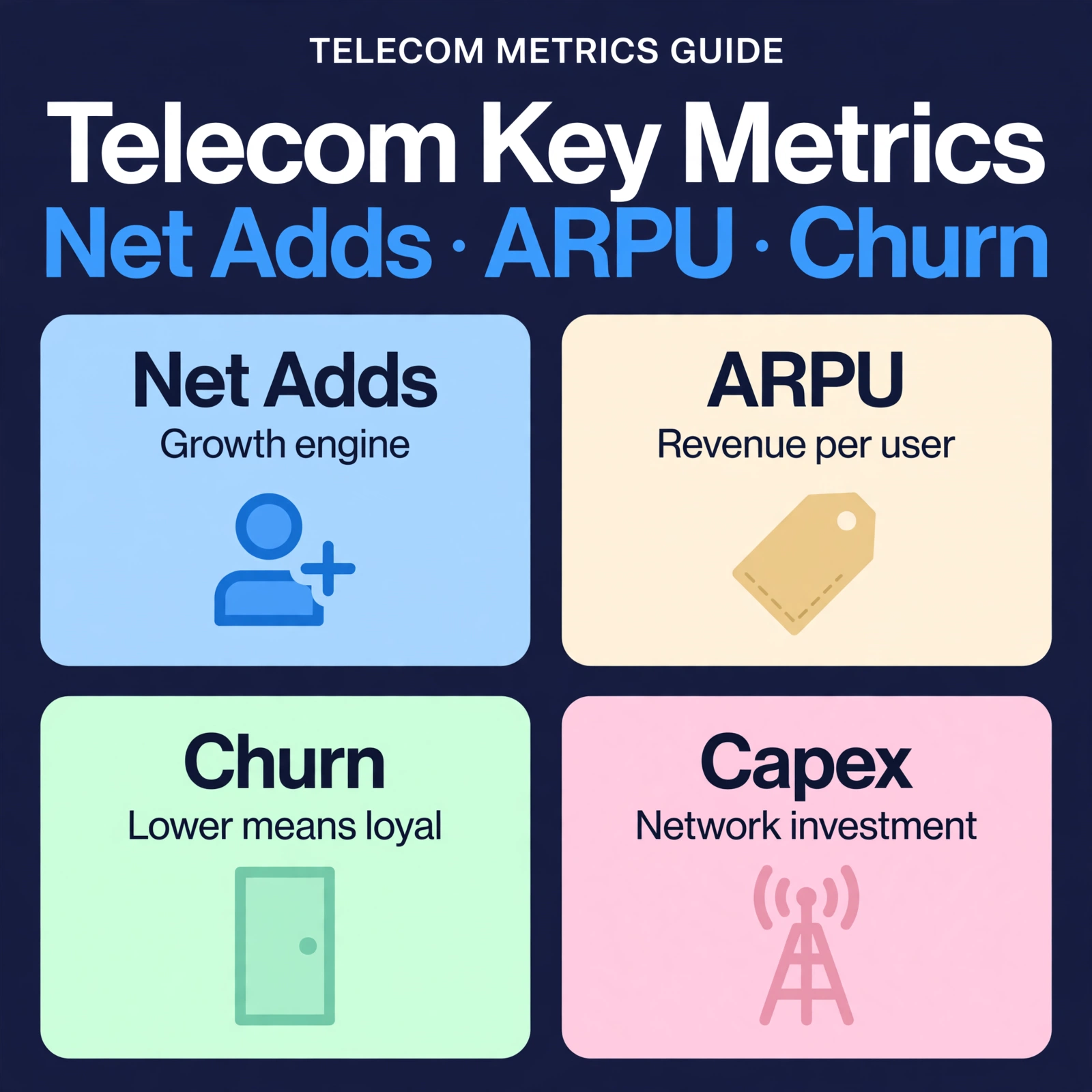
Telecom earnings have a standard checklist.
First, net adds — new subscribers minus those who left. It’s the growth engine of the business. Second, ARPU (average revenue per user) — what each subscriber pays monthly, reflecting plan upgrades and add-on services. Third, churn — the rate at which subscribers leave; lower means stronger loyalty.
Fourth is capex. Networks need constant reinvestment, so falling capex can flatter near-term profit while weakening long-term competitiveness. AT&T’s quarter disappointed because both pillars — subscriber growth and cost efficiency — wobbled at once.
The dividend aristocrat’s dilemma
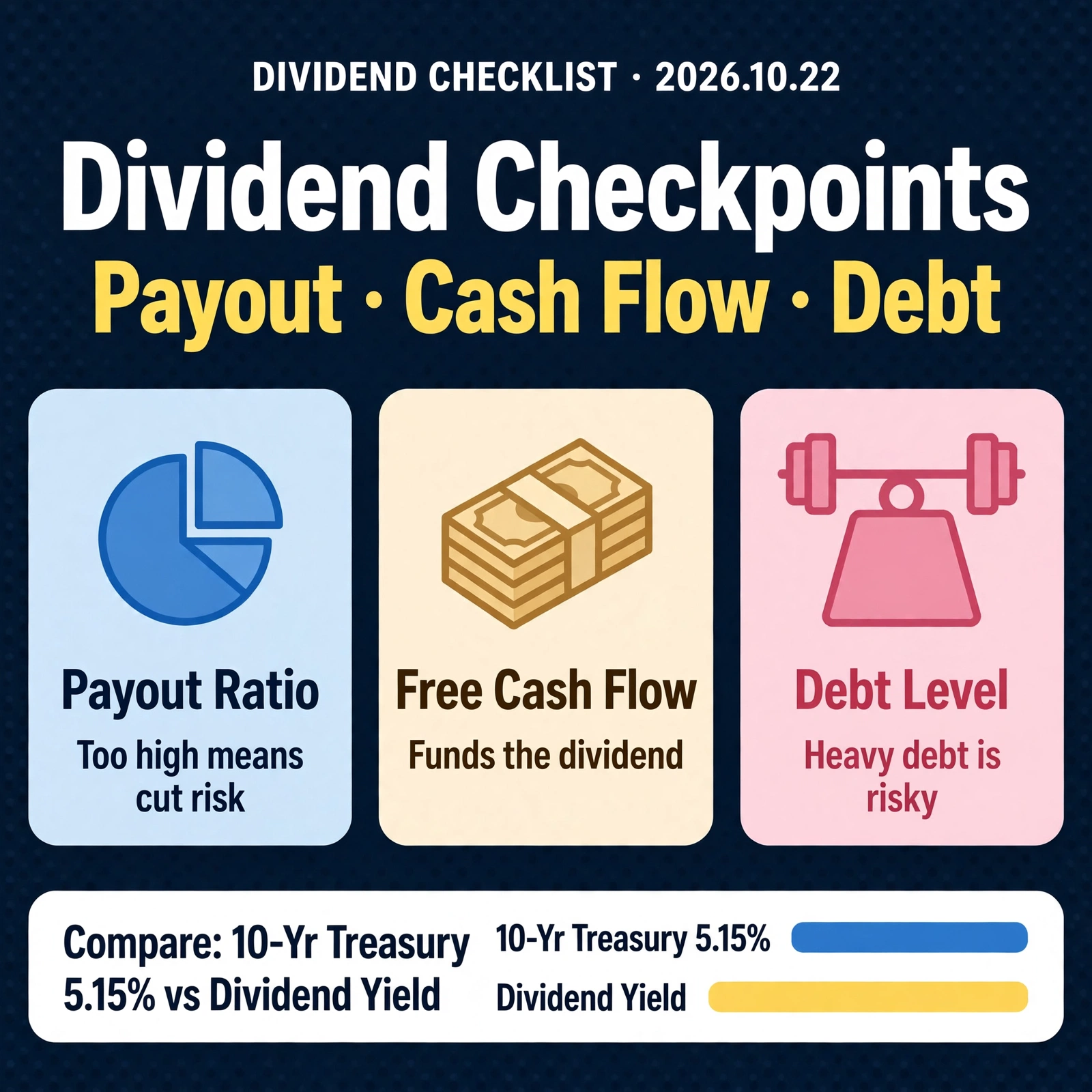
AT&T is a classic high-dividend stock: steady subscriber cash flows fund the payout, but growth is limited. And with the 10-year Treasury at 5.13%, the dividend looks relatively less attractive — why endure a shaky stock for a payout when safe government bonds pay 5%?
Three checkpoints for dividend stocks: the payout ratio (share of earnings paid out — too high means cut risk), free cash flow (the dividend’s funding source), and debt levels (telecoms tend to carry heavy capex-driven debt). When costs rise, as in AT&T’s case, read all three together.
- ARPU: Average revenue per user. A core telecom metric showing plan pricing and add-on service uptake.
- Churn: The share of subscribers leaving over a period. Lower means stronger customer loyalty.
- Payout ratio: Dividends as a share of net income. Near 100% is a dividend-cut warning sign.
For Korea-based investors
US high-dividend telecom stocks like AT&T and Verizon suit investors chasing steady payouts over price gains. But in a high-rate era, compare the dividend yield directly against Treasury yields. As AT&T’s case shows, once subscriber metrics turn, dividend stability can wobble too — so make a habit of checking net adds, ARPU, and churn every quarter.
Not investment advice. Figures verified Oct 22 from WSJ, Investopedia, and Swingfolio.
Watch the video

Sources & references
- AT&T — Third-Quarter 2026 Results (PR Newswire) — Primary release: subscriber, earnings and debt figures
- BuyMeWhiskey — Biggest stock movers Thursday, Oct 22: T, SKYD — Oct 22 session's top decliner (Nasdaq/Yahoo data)
- The Motley Fool — AT&T Stock Sinks on Subscriber and SpaceX Worries — Subscriber-disappointment framing and ARPU
Related articles
- CoreWeave Q3 Earnings Analysis Revenue $3.66B Beat and $846M Interest Cost Verdict
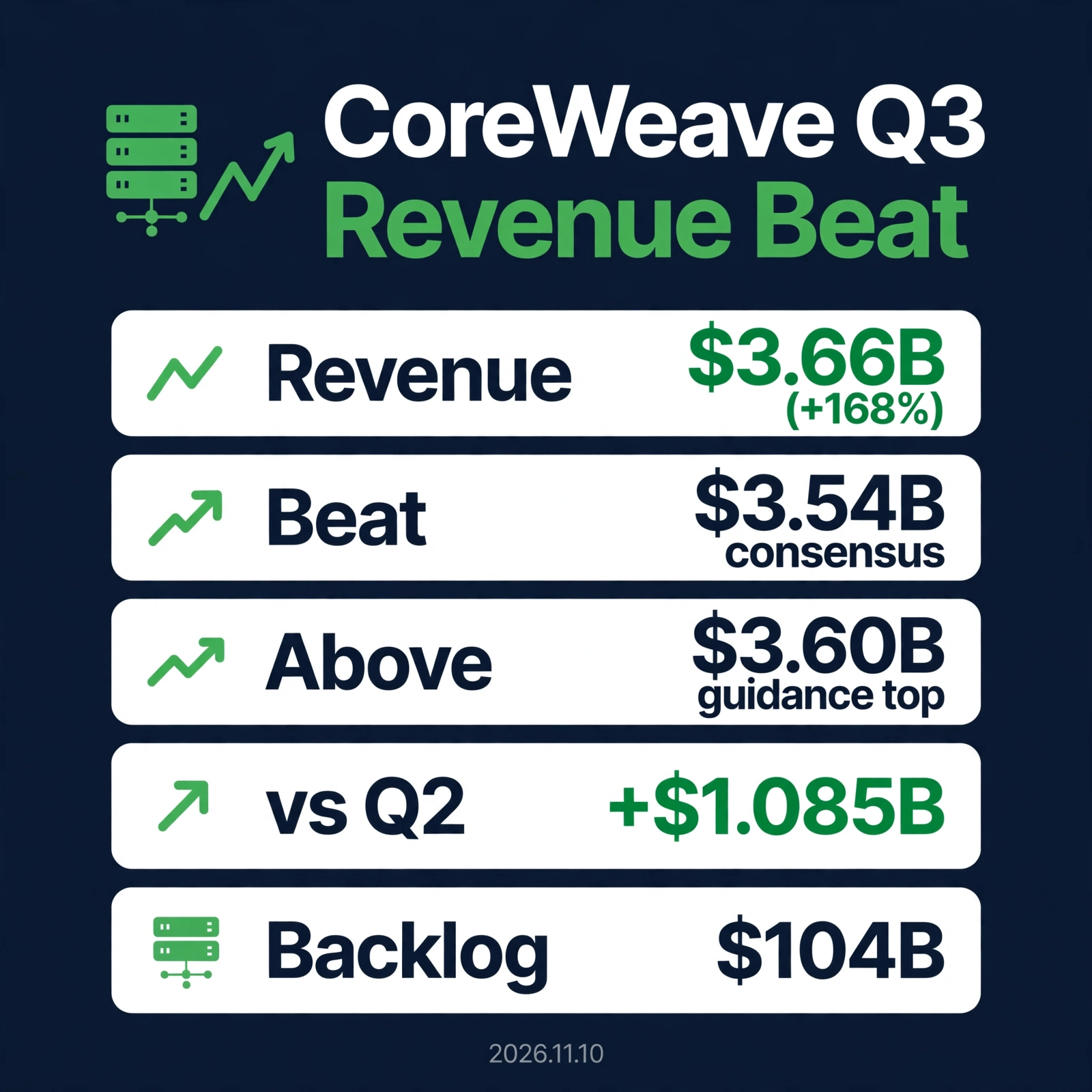
CoreWeave's Q3 revenue of $3.66 billion beat estimates and the company raised its full-year outlook. But interest expense of $846 million was more than double adjusted operating income of $379 million, and the operating margin fell from 16% to 10%. Demand is proven; the money-making structure is not.
- Constellation Energy Stock Analysis: AI Power Demand and Q3 Earnings Surprise
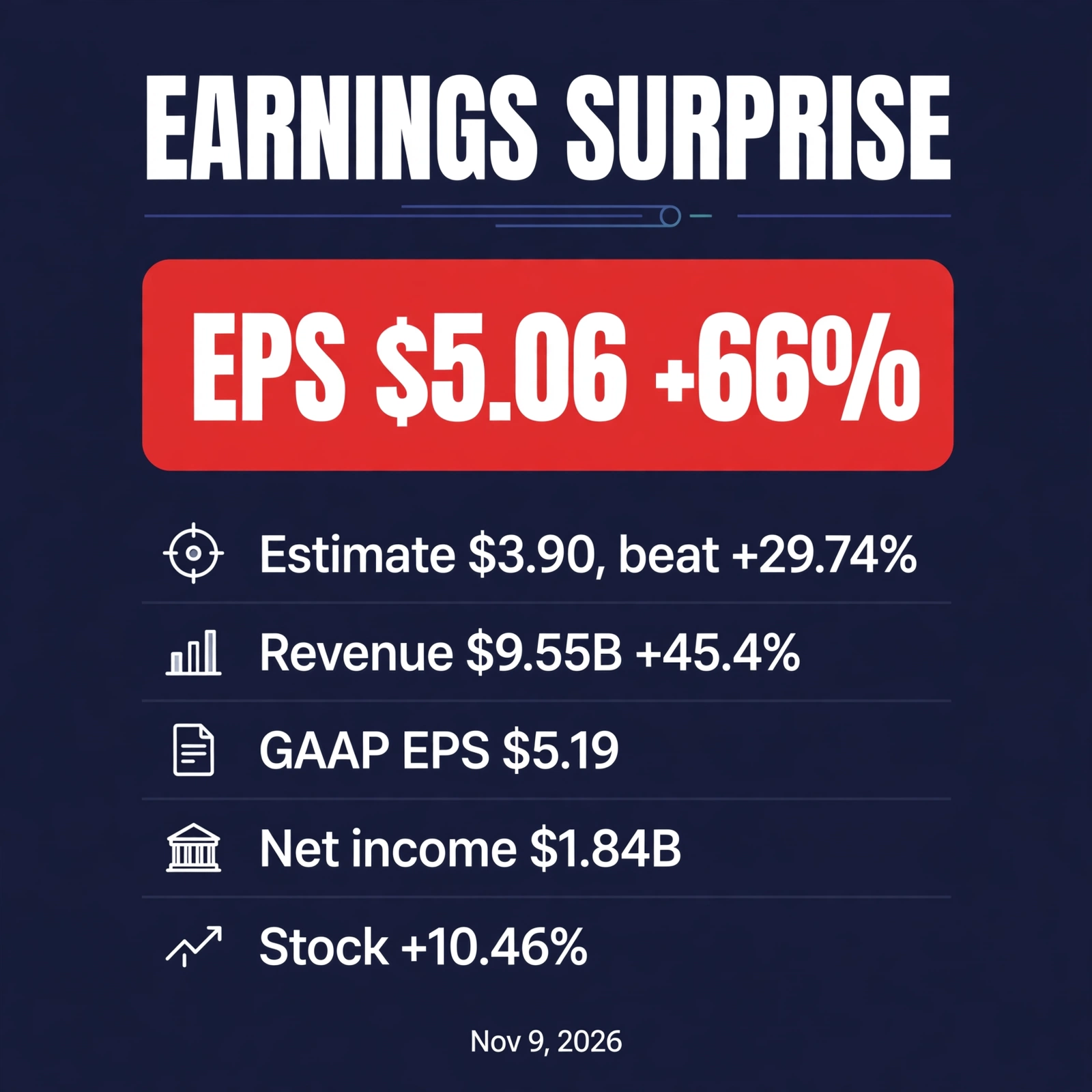
Constellation Energy jumped 10.46% after third-quarter adjusted EPS of $5.06 beat estimates by 30%. Twenty-year nuclear deals with Amazon and Google show what AI power demand really looks like — while long-term debt has swollen to $19 billion.
- Foreign Buying Korea Analysis First Net Buying in Eight Sessions After 12.7 Trillion Won Selloff
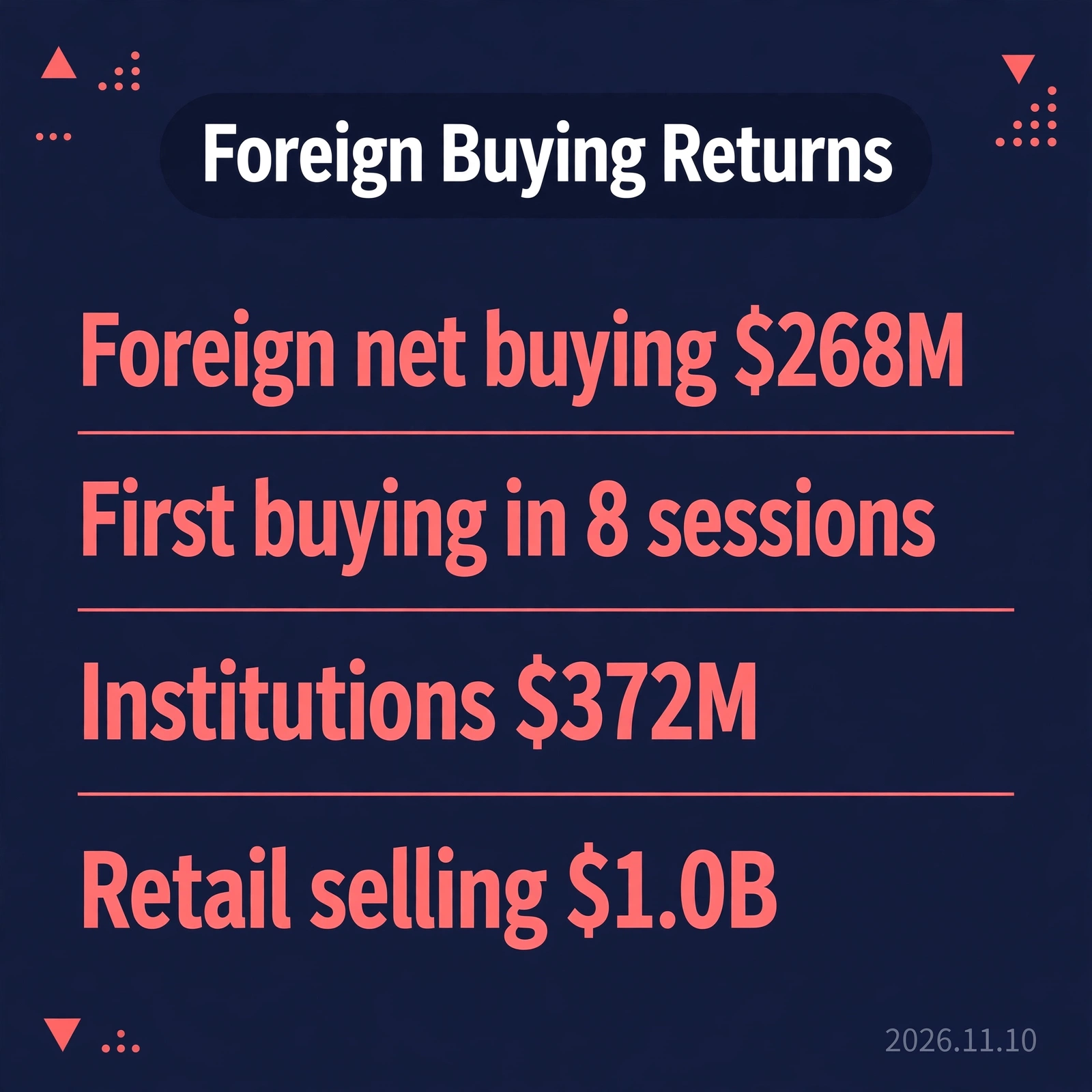
Foreign investors bought Korean shares for the first time in eight sessions, after selling 12.75 trillion won ($9.5 billion) over the previous seven. The buying is real but small — 2.8% of the outflow — and foreigners are still selling on the KOSDAQ. Four tests decide whether this is a turn or a one-day bounce.
5minbrief on YouTube
The briefs also come as videos. Get the daily market wrap on YouTube.
Subscribe on YouTube