 5-minute briefs
Big Tech $1.2T AI Capex: Profitability Outlook Analysis
How big is $1.2 trillion
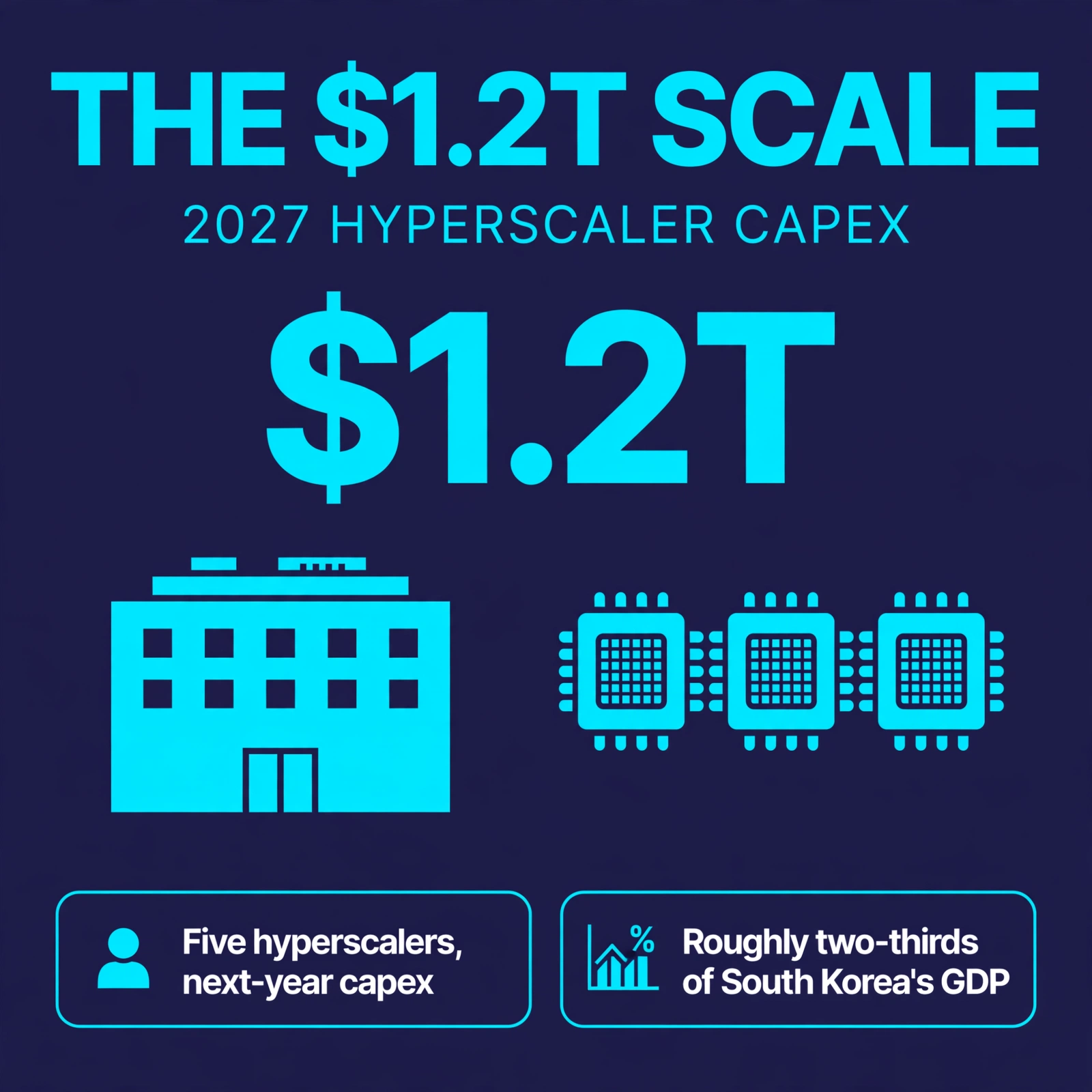
Put the number in perspective: $1.2 trillion is roughly two-thirds of South Korea’s annual GDP. It goes into data-center buildings, GPUs, and power equipment — the “factory building” of the AI era.
The problem comes not when you build the factory, but after. Will the factory’s output (AI services) sell enough to earn the investment back? That is the market’s question right now.
The debate: profitability vs. the pace of spending
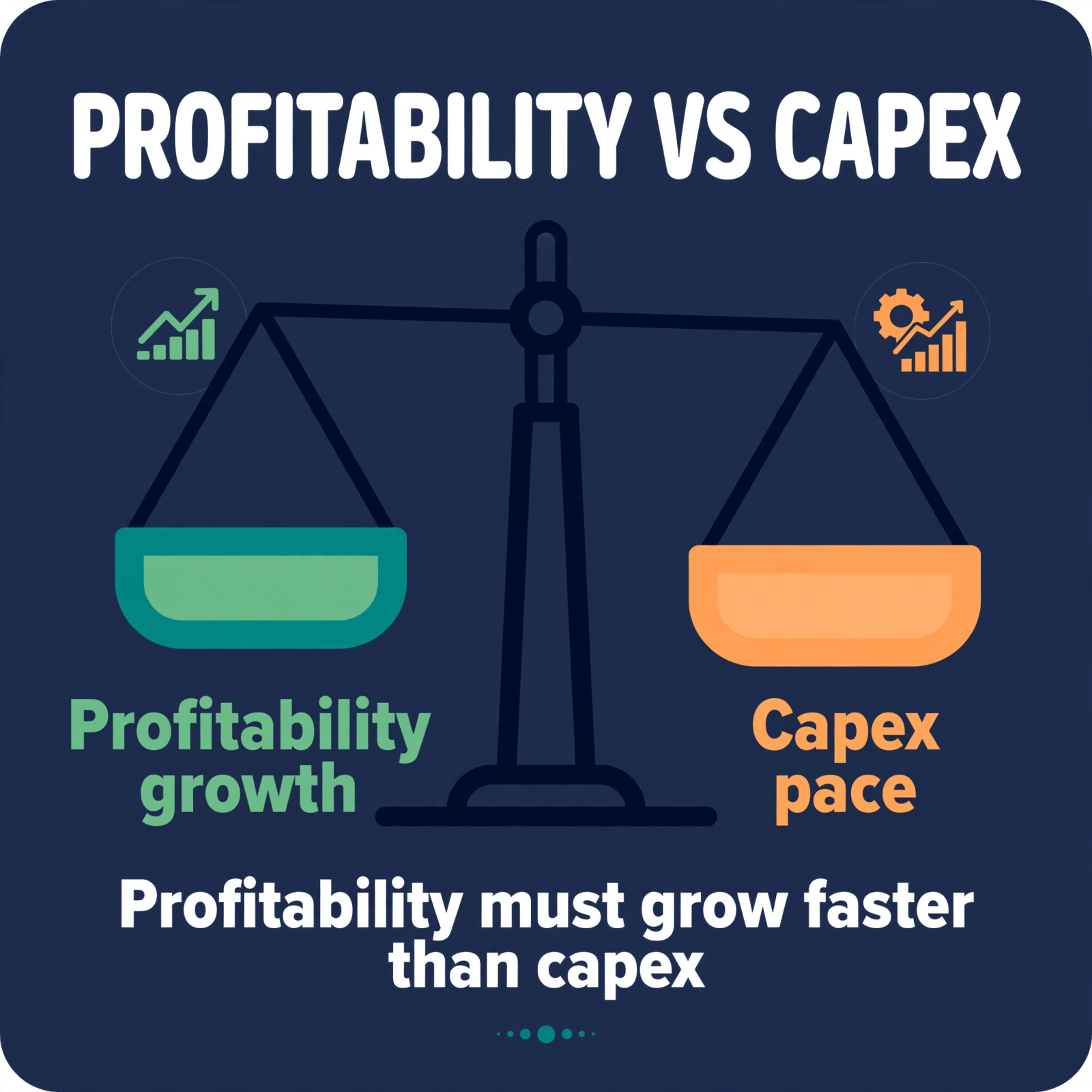
This earnings season’s real drama is a race, not a number.
- Kevin Shea, BNY Wealth: “One of the most important takeaways of earnings season is whether or not the profitability of the hyperscalers can grow faster than the pace of their capex.”
- Chuck Carlson, Horizon Investment Services: “With the cost of capital going up, this capex blowout is going to become more expensive, which raises the bar for returns.”
Spending a lot is not the problem. Whether profits grow faster than spending is. With rates stuck in the 5s, money is expensive — borrowed or not — and the return hurdle it must clear keeps rising.
A different game from CoreWeave: debt vs. cash
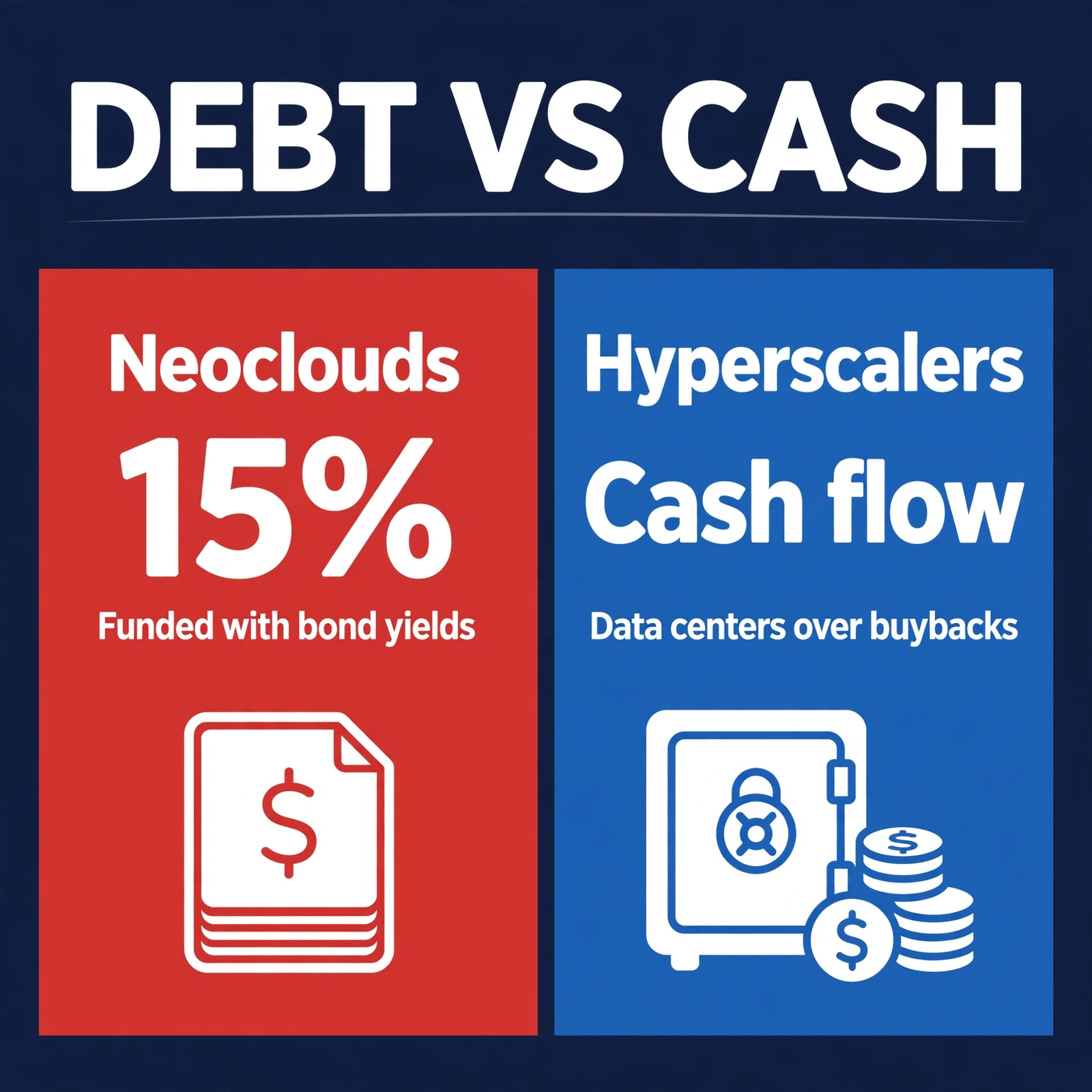
This is where the CoreWeave episode (covered in our October 14 brief) differs. Neoclouds like CoreWeave build data centers with debt at yields around 15%. Expensive borrowed money means profitability doubts turn straight into stock collapses.
Hyperscalers like Meta, by contrast, invest from deep cash flows. No bankruptcy risk. But shareholders ask a sharper question: “the stock would have risen if you’d bought back shares — why pour it into data centers?” Not the fear of debt, but the judgment of opportunity cost.
- CapEx (capital expenditure): money spent on fixed assets like plants and equipment. Data centers and GPU purchases are the AI era's signature CapEx.
- Hyperscalers: Big Tech operators of massive data centers (Meta, Alphabet, Amazon, Microsoft and peers) — the ones doing the AI spending.
- Cost of capital: the price of raising money (rates and such). When it rises, the return bar investment projects must clear rises with it.
The verdict schedule: Meta goes first
The order of judgment is set.
| Date | Company | What to watch |
|---|---|---|
| Wed 10/21 | Meta | First hyperscaler up. Fresh off launching its Muse AI assistant; market cap about $1.9 trillion |
| Wed 10/21 | Tesla | Robotaxi and AI spending commentary (shares fell ~2% on Friday after the Roadster reveal) |
| Wed 10/21 | Lam Research · TI | Barometer of semiconductor equipment and demand |
| Later | Alphabet · Amazon · MS | The remaining hyperscalers’ CapEx guidance |
Per LSEG, S&P 500 Q3 earnings are expected to grow more than 30% year over year — most of it from AI megacaps, so a miss would disappoint hard.
The market has been fooled once already: the logic flipped from “rising because of AI” to “selling because of AI” in a single week. What this week’s earnings must show is the justification for the spending. A week when the $1.2 trillion question gets answered in numbers.
Not investment advice. Figures verified October 18 from Goldman Sachs, LSEG, BNY Wealth, Horizon Investment Services, barchart, and Straits Times (Reuters).
Sources & references
- Reuters (via Kitco) — Wall St Week Ahead: AI Rally Wobbles, Spotlight Turns — Original report behind the post's Goldman, LSEG and BNY quotes
- AsumeTech — CoreWeave Bond Yields and CDS Spikes Test Private Credit's AI Infrastructure Bet — CoreWeave credit market stress figures
- Portfolio Terminal — Stock Market Close October 16, 2026 — Close-based index and megacap scorecard
Related articles
- Meta AI Investment Analysis $95 Billion Equity Raise Nvidia AMD Broadcom Circular Capital Dilution
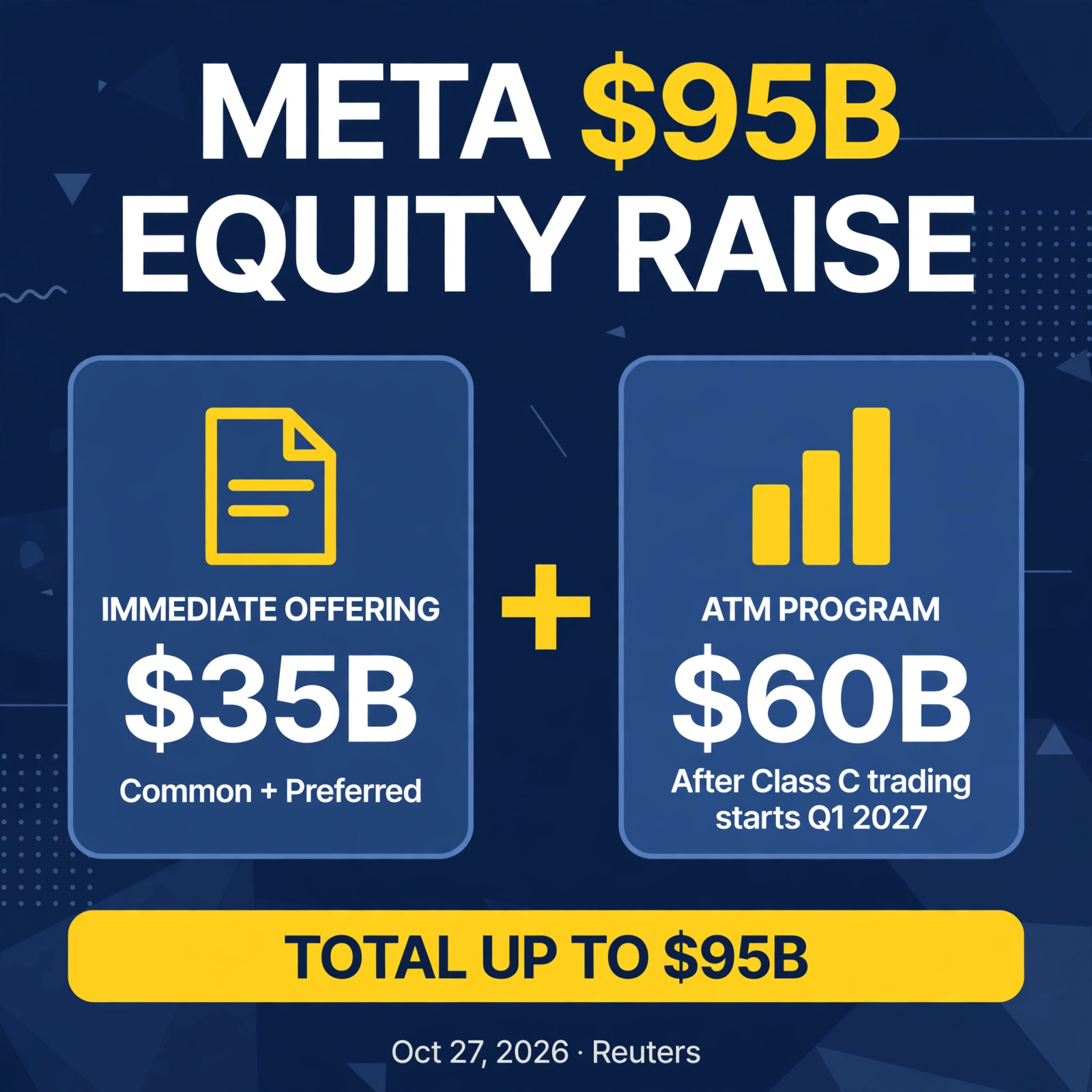
Meta announced plans to raise up to $95 billion in equity to fund AI infrastructure: an immediate offering of about $35 billion plus an at-the-market program of up to $60 billion after new non-voting Class C shares start trading. Nvidia, AMD and Broadcom expressed interest in up to $5 billion, raising circular-capital questions.
- Meta AI Investment Analysis Record Credit Risk Capex Debt Structure
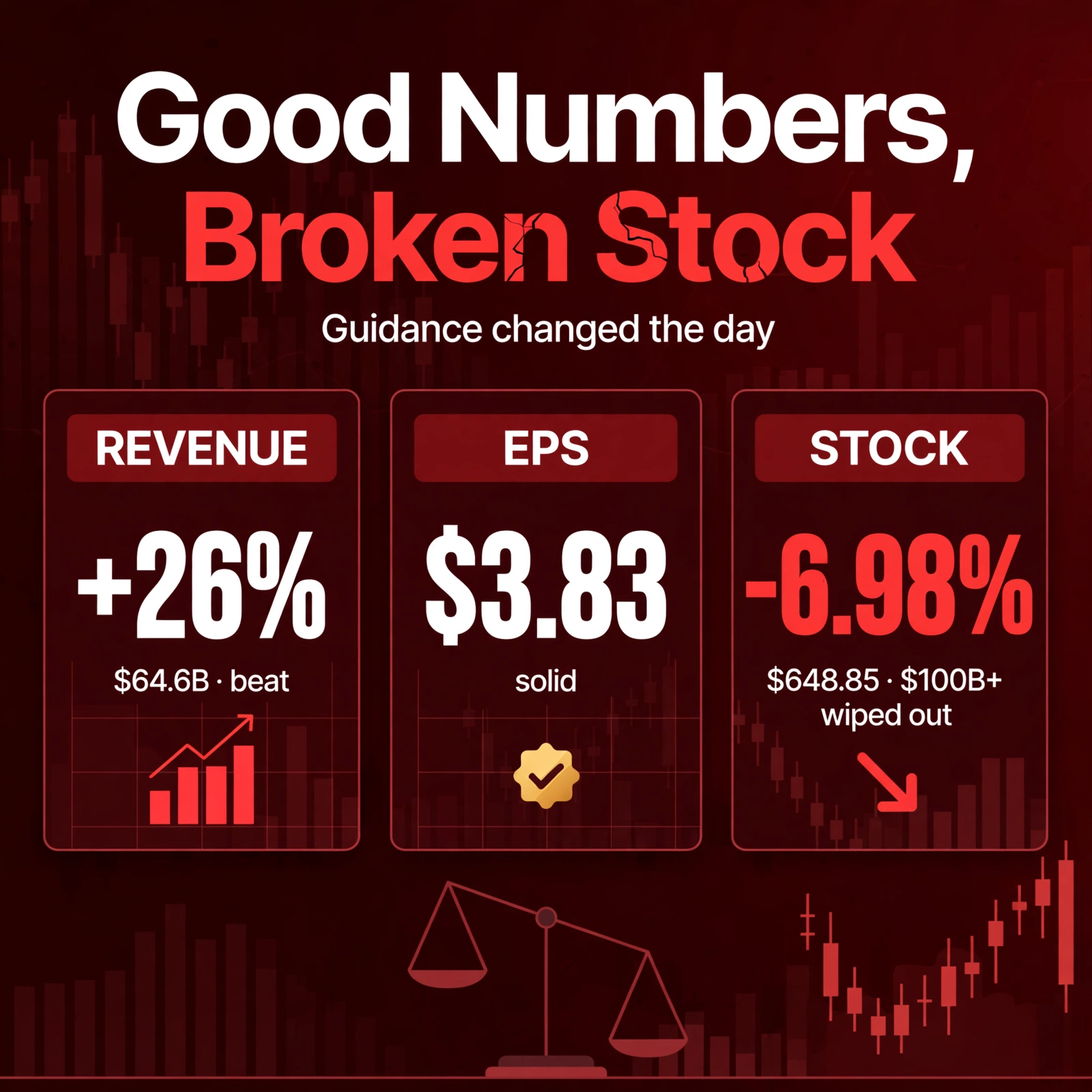
Meta fell 6.98% to $648.85 as its credit risk hit a record high. Despite 26% revenue growth to $64.6B, raised 2026 capex of $135–145B and a $2.1B FCF deficit spooked markets. The structure of Big Tech AI debt funding and investor checkpoints.
- Amazon Earnings Analysis AWS 39% Growth vs Retail Miss $220 Billion Capex After-Hours Drop
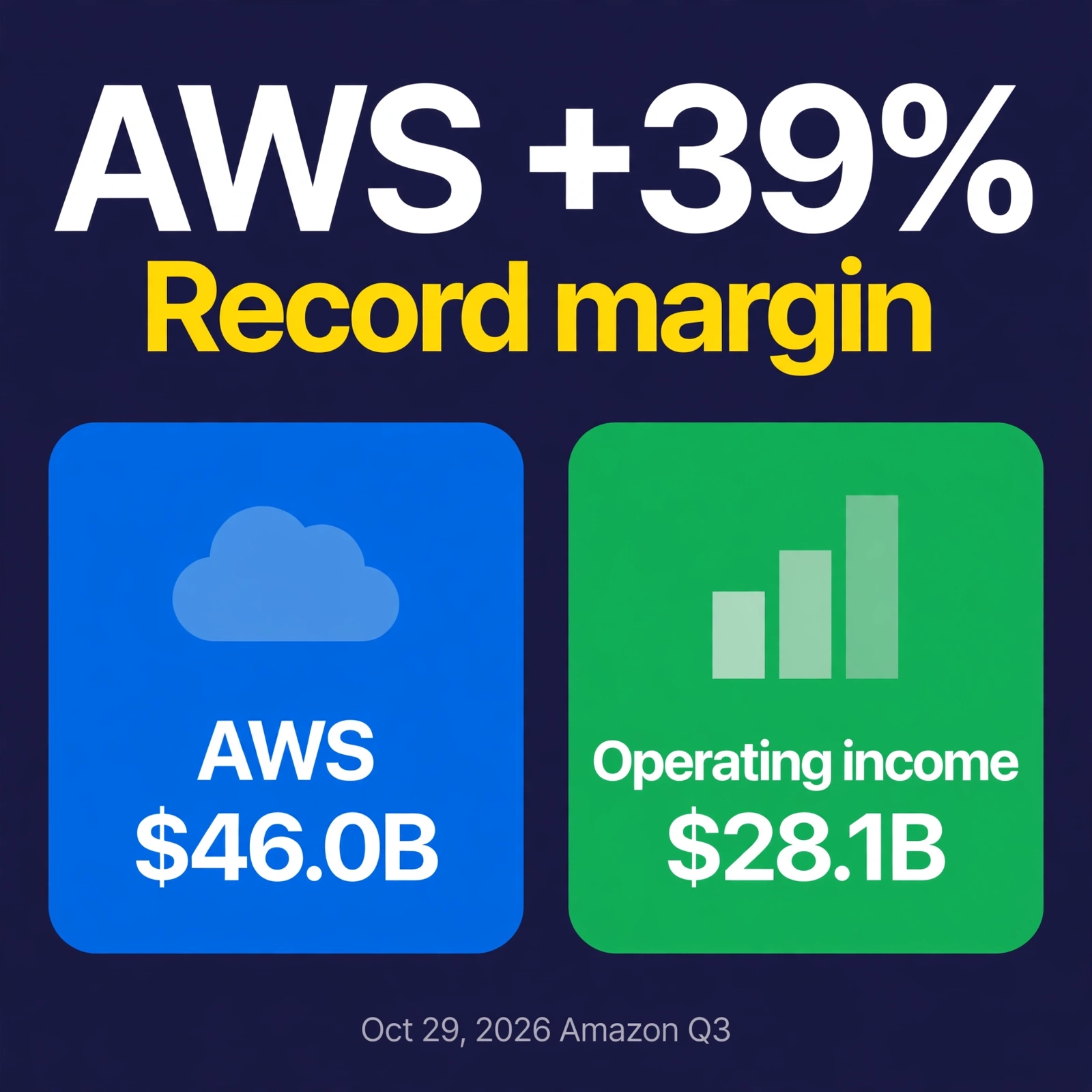
Amazon Q3 analysis: sales $201.9 billion (+12%), EPS $1.89 missed expectations, while AWS hit $46.0 billion (+39%), its fastest growth in nearly five years. Operating income of $28.1 billion and a record 13.9% margin were not enough — a $220 billion capex plan and negative free cash flow drove a 6% after-hours drop.
5minbrief on YouTube
The briefs also come as videos. Get the daily market wrap on YouTube.
Subscribe on YouTube